On the (Rest of the) Net.

The disturbing, tragic life of Hustler’s Larry Flynt.

Dubai isn’t the pink-buildinged, “Middle-Eastern Shangri-La” of materialistic Sex & the City movies it’s made out to be.

“All Work, (Almost) No Pay” for the Washington Redskins Cheerleaders. Fascinating stuff.

The cult of Oprah.

The case for women to serve in combat roles in the armed forces.

Hypocrisy and “male narcissism” in “political sex scandals”.

Got a problem with SlutWalk? Finally, some solutions to make it better.

Also, for all you anti-SlutWalkers out there, This is What Slut-Shaming Looks Like”:

“1. Was I suppose to just take it in stride that random pervs found out where my little sister went to high school and speculated about whether she, too, would become a ‘whore’? An anonymous asshole emailed her last fall asking her that. Don’t tell me that’s normal criticism.

“2. What about the manufactured ‘scandal’ that Internet vigilantes began in hopes of getting my boyfriend kicked out of his Ph.D program? They decided to email the entire sociology faculty list. I was a junior at the time in the same department. Do you have any idea how incredibly difficult it is to force yourself to graduate when your professors have all read about how you’re supposedly being ‘raped’ on a regular basis? That is not criticism.

“3. Is trying to get me fired also normal? In 2009, when I was working for an education non-profit during my time off from Harvard, someone wrote a fake article about how my employer was so embarrassed to have hired a ‘porn blogger’. There were made-up quotes from ‘company reps’. They disseminated it online, not realizing that I actually told my boss about my blog during my initial interview. (He emailed me the article and totally had my back. It was one of the most touching things I’ve ever experienced from an employer, no joke.)”

I originally blew off Roseanne Barr’s New York Magazine take on sexism in Hollywood. But I read it this week and couldn’t recommend it enough. Great writing.

The Smurfette principle:

“Little girls learn to split their consciousness, filtering their dreams and ambitions through boy characters while admiring the clothes of the princess. The more privileged and daring can dream of becoming exceptional women in a man’s world—Smurfettes. The others are being taught to accept the more usual fate, which is to be a passenger car drawn through life by a masculine train engine. Boys, who are rarely confronted with stories in which males play only minor roles, learn a simpler lesson: girls just don’t matter much.”

This article on the sexual misconduct of AFL players from 2008 is just as pertinent today.

“In Defence of Prudes.”

“Women are pieces of art, men aren’t”?

What is the average Australian’s yearly income?

Sarah Ayoub-Christie writes her final post for Wordsmith Lane.

Why Psychology Today hates women.

How the celeb sex tape ruined America (NSFW).

On the (Rest of the) Net.


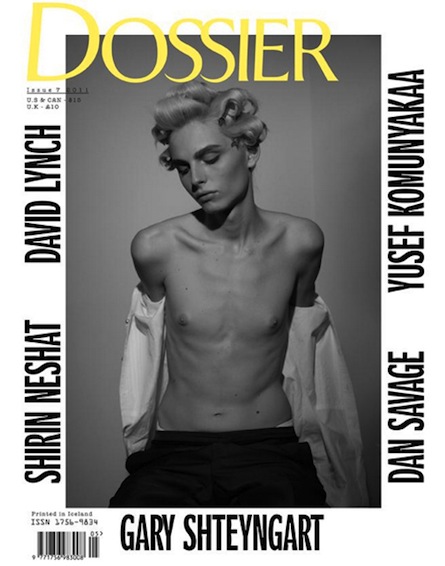
On the censorship of Andrej Pejic’s Dossier cover:

“… why is Pejic’s cover getting the same treatment as a porno mag? What message are the big bookstore chains sending—that the male torso is only appropriate [for] all-ages viewing when the man in question is ripped?”

Mia Freedman on when life begins.

SlutWalker Leslie Cannold on “the right to be equally mediocre”.

Speaking of SlutWalk, the Melbourne event’s coordinator, Clem Bastow, writes on the event for the Sydney Morning Herald.

The ostentatious disgustingness of “Push Presents”.

Glee: give fat girls a chance.

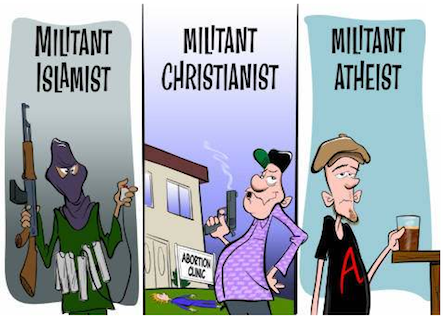
 The militant atheist doesn’t exist.

Arnold Schwarzenegger’s infidelity and Dominique Strauss-Kahn’s sexual assault allegations are one in the same, according to “The Media’s Groping Problem”.

In the same vein: why powerful men sexually assault women.

From Texas’ hottest sex offenders to Strauss-Kahn’s “hot-or-not” accuser.

What would “a word where Aspergers was the norm” look like? “Girls who spend hours a day straightening their hair are recommended for counselling,” amongst other things.

Rebecca Sparrow on “Hollywood’s Fake Teenagers”.

As if we didn’t need another reason to love Mick Foley: the Huffington Post names him their “Greatest Person of the Day”.

Meghan McCain rips the sexist and sizist Glenn Beck a new one.

Much to my mother’s—and her fellow kindy mums’—dismay, my big-for-her-age, four-year-old sister refused to walk to preschool, so Mum was forced to push her in a stroller. Check out Too Big For Stroller for more on this hideous phenomenon.

Are child murderers born evil or created?

In the case of toddler James Bulger’s murderers (one of whom re-offended after being released and is now back in jail), and Dontez Tillman and Thomas McCloud, who beat and tortured “two homeless men over the course of two days”, I tend to lean towards them being “born that way”. If Law & Order and Criminal Minds have taught us anything, it’s that children who demonstrate these kinds of behaviours usually turn out to be sociopathic serial killers.

Image via Queer Me Up, Psychology Today, Even Without Popcorn.

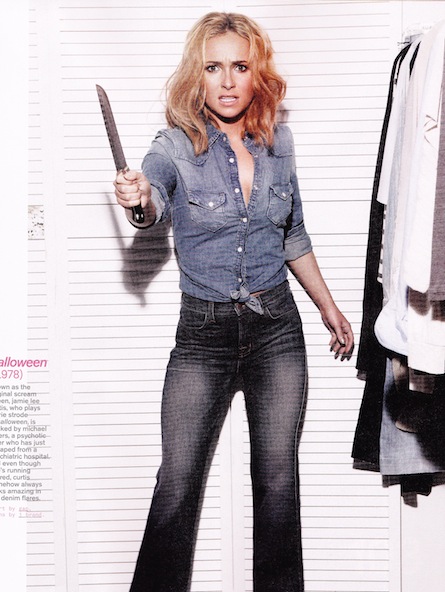
Hayden Panettiere Brushes Up On Her Horror Hottie History.


While Hayden’s got a long way to go before she reaches scream queen territory (her character, Kirby, *spoiler alert* dies in Scream 4, so she’ll have to achieve that feat elsewhere), she does a fine job of emulating horror heroines Carrie White (from Carrie, duh!), Drew Barrymore’s Casey Becker from Scream 1 and, especially, Laurie Strode—played by the “original scream queen”, Jamie Lee Curtis—from Halloween, in Nylon’s May issue, with Hollywood heirs and Scream 4 stars, Emma Roberts and Rory Culkin on the cover.

They say imitation is the sincerest form of flattery…

Related: Scream 4 Review.

Movie Review: Scream 4.


Of the reviews I’d read of Scream 4, I wasn’t expecting a good movie. If, by good, I mean critically acclaimed. But since when is the fourth sequel of a horror movie ever critically acclaimed?

I like my movies unrealistic, fluffy and so-bad-they’re-good. (Think Burlesque, not Sucker Punch.) Usually those are the ones with the poor ratings. And usually they’re my favourite.

Scream 4 certainly lived up to its bad review=good movie hypothesis. Dare I say it trumped the first one, even?

In essence, that’s what Scream 4 was trying to do. It was a “meta-text”, as my friend Eddie pointed out to me.

Like, in the first film, when central scream queen Sidney Prescott is unknowingly talking to Ghostface on the phone, and she says horror movies are insulting because “the girl is always running up the stairs when she should be going out the front door” (even though Sidney does exactly that only moments later!) This occurs in the third part of the first scene of Scream 4, which sees the “blonde haired, big boobed” victim, who has a very high GPA, FYI, running up the stairs when she can’t get the front door unlocked.

The precursors to that scene feature 90210’s Shenae Grimes and Pretty Little Liars’ Lucy Hale in the opening scene, which is actually the opening scene of Stab 6, followed by Anna Paquin and Kristen Bell watching that scene, which then feeds into the opening scene of Stab 7! Phew! It makes much more sense when you’re actually watching it!

Eddie also highlighted the meta-text in Scream 1, when Randy is watching Halloween and is warning Jamie Lee Curtis’s character, the original final girl, to look behind her, when his very own psycho killer is standing right behind him!

It has been said that the original Scream is for horror film lovers, like Randy, Scream 2 is for horror film makers, and Scream 3 is for those in the business (obviously, because it was set on the Hollywood back lot, but it didn’t pack the punch the other Scream’s did). You really have to be a Scream devotee to unravel all the “underlying meaning” in the fourth installment, which is designed to either be the first instalment of a new trilogy, or a re-do of the first film, depending on box-office success. As a pillow-lipped Gail notes at a police press conference, the killer is mirroring the original spate of killings. But it is so well done, movie-goers could commit to it without having a prior knowledge of the Scream franchise.

Scream 4 centres around Sidney’s return to Woodsboro on the final stop of her book tour, to promote her debut publication, Out of Darkness. Ghostface number four and/or five sees this as the perfect opportunity to seek revenge on Sidney for deserting Woodsboro in the aftermath of the first wave of killings, and leaving its residents to clean up her mess. Or so the killer says in a phone call to the main character, leading the audience to believe the killer is either Sidney’s aunt—Emma Roberts’ character’s, Jill, mum—or Deputy Judy (a throwback to Dewey’s derogatory nickname in the first film), who has a massive crush on Dewey, whom she bakes lemon squares that “taste like ass”, according to jealous wife Gail. When Deputy Judy approaches Sidney in the stairwell of Jill’s house after a neighbour is murdered, asking if Sidney remembers her from high school, it seems very likely that the killer could be her. But we know well enough by now that it’s never that obvious…

Eddie noted that Scream 3 was meant to have two killers, one of which being an old classmate of Sidney’s who felt she left her and Woodsboro behind. Maybe Judy’s not so unlikely after all…

The killer takes to filming their conquests after a suggestion from Gail, who totally kicks butt in this version, gravity-defying forehead and all. What am I talking about? Gail kicks butt in every film, almost always getting in the last shot (Billy in Scream 1 and Mickey in Scream 2. Who will it be in Scream 4?) Except for the fact that she seeks advice from high school kids when “going rogue”, and hunting for the killer herself when Dewey brushes her off. Didn’t she live through four killers herself? I’m sure she knows more than a bunch of 16-year-olds.

If New York City is the fifth character in Sex & the City, then technology certainly plays a major role in Scream 4. So the inclusion of said bunch of 16-year-olds lends itself to this notion, with YouTube, Facebook, Twitter, text, GPS and a whole host of other teen techno gadgets playing a role in the killer’s quest to become famous.

In this day and age, you don’t even have to do anything to become famous. Just ask Snooki and the cast of Jersey Shore. And, as the killer says, “everyone loves a victim”. But none better than the original…

Related: Burlesque Review.

Sucker Punch Review.

Elsewhere: [Wikipedia] Final Girl.

Images via IMDb. And a special thanks to Eddie, for helping me with this post.

The Difference Between Lindsay Lohan, Ricky Nixon & Charlie Sheen.


In the past week, Lindsay Lohan began her community service in a see-through singlet with no bra, Ricky Nixon lost it on Today Tonight, and Charlie Sheen announced he’s bringing his Violent Torpedo of Truth tour down under. God save us all.

Lohan seems to get the shortest end of the stick out of these three, yet they’re all scars on the face of humanity by most peoples’ reasoning. Why is that?

Is it because she’s the youngest? If that’s the case we should be cutting her more slack as her brain hasn’t finished developing yet. Is it because she’s a member of young Hollywood, and has had everything handed to her? Sheen was also a member of the young Hollywood brat pack in his early days, too. And Nixon was a footballer himself before going on to be an agent, and we all know how footballers are held up to a different microscope than the rest of humanity.

The only common denominator that separates Nixon and Sheen from Lohan is that Lohan happens to be female.

I’ve written a bit about this before, and there’s also some more material on this topic over at MamaMia that’s well worth a look (see below), but there’s no denying that gender is the most likely reason for society’s vilification of Lindsay for being a party girl who’s been to rehab and jail five times each, while Nixon had an alleged sexual relationship with an underage girl who tried to ruin several of his clients’ careers, and Sheen is a well-known misogynist who beats and shoots women.

The reason I object to this blatant favouritism is that Lohan is only hurting herself. At the end of the day, if she can’t drag herself out of the depths of the addiction, rehab and prison cycle, then she’s only got herself to blame. It only affects her.

Nixon has screwed over his clients, who are a bunch of bad eggs themselves. Not to mention (arguably) preyed on an underage girl, who is as much to blame for this whole thing as Nixon. But, might I mention, Nixon is a GROWN MAN, not a 17-year-old child who was, in her eyes, used and abused by the AFL and wanted revenge.

But Sheen is the crown jewel in this group of hot messes: he’s a drug addict and seemingly mentally ill, which are understandable and treatable conditions in and of themselves. But it’s not just them. He also beats women, whether they be his significant other or no. He’s a fan of prostitutes, and child porn, it is alleged. He trashes hotel rooms. He has four young children to think about. His behaviour is most definitely affecting multiple others, yet he’s rewarded for it with a world fucking tour!

Those are the differences between Lindsay Lohan, Ricky Nixon and Charlie Sheen.

Related: Lindsay Lohan & Double Standards.

Good-Time Girls.

Poor Little Rich Girl: Lindsay Lohan in Who.

Why Are Famous Men Forgiven for Their Wrongdoings, While Women Are Vilified for Much Less?

Minus Two & a Half Men.

Guilty Until Proven Innocent: Charlie Sheen’s Witness.

Elsewhere: [MamaMia] St. Kilda Schoolgirl: One Journalist’s Dilemma.

[MamaMia] AFL Sex Scandal on 60 Minutes.

[MamaMia] AFL Train Wreck: Is the 17-year-old Girl A Product of Modern Media?

[MamaMia] Is St. Kilda Player Nick Riewoldt the New Lara Bingle?

Images via WWTDD, TNT Magazine, Herald Sun.

On the (Rest of the) Net.


How to be a Victoria’s Secret Angel:

“Holding tight to a mission statement that stands first and foremost to ‘empower women,’ and a slogan stating the brand is one to ‘Inspire, Empower and Indulge,’ the company ‘helps customers to feel sexy, bold and powerful.’

“Where once sexualized representations of women in the media presented them as passive, mute objects of an assumed male gaze, today women are presented as active, desiring sexual subjects who choose to present themselves in an objectified manner because it suits their ‘liberated’ interests to do so.

“Not only are women objectified as they have been, but through sexual subjectification, they must also now understand their own objectification as pleasurable and self-chosen.”

Why Britney Spears is the everywoman pop star of our generation.

Unfortunately for John Galliano, “Rehab Does Not Cure Anti-Semitism”.

Also, Gawker wonders “How the Hell is Anti-Semitism Having a ‘Moment’?”

Owen Wilson managed to escape the tabloid microscope of Hollywood after his 2007 suicide attempt, unlike so many other stars who’ve fallen of the mental health wagon (the aforementioned Britney, Lindsay Lohan and flavour of the moment, Charlie Sheen):

“…it is Wilson who seems to have gotten the hall pass. He has never explained what happened to him that anguished Sunday in August…

“It’s a fascinating instance of a celebrity hiding in plain sight—and getting away with it—that stands virtually alone in Hollywood’s PR playbook.

“What’s the statute of limitations on personal issues in Hollywood?”

Baby bullying in the Bonds Baby Search competition. Seriously?! Baby bullying?!

What would it be like to sleep with a women’s magazine?:

“Vogue: You’re really flattered. They’re probably the hottest person you’ve ever slept with. Neither of you gets off.”

US political commentator Rush Limbaugh feels that Michelle Obama doesn’t have the right body type to be an advocate for beating childhood obesity:

“I’m trying to say that our First Lady does not project the image of women that you might see on the cover of the Sports Illustrated Swimsuit Issue, or of a woman Alex Rodriguez might date every six months or what have you. I mean, women are under constant pressure to look lithe, and Michelle My Belle is out there saying if you eat the roots and tree bark and the berries and all this cardboard stuff you will live longer, be healthier and you won’t be obese. Okay, fine, show us.”

Racist, sexist and sizeist on so many levels.

On that, “Beauty is Not a Spectrum” at Eat The Damn Cake.

The secret lives of sex store workers.

“Charlie Sheen’s ‘Porn Family’, Explained.”

Images via Squa.re, Everyday Facts.


The Wizard of Oz VS. Wicked.

Many of my friends ask how I can love Wicked, yet hate the musical it was spawned from, The Wizard of Oz. Easily.

The Wizard of Oz is creepy, clichéd and fairly boring. Wicked is innovative, original (or as original as a semi-spinoff can get) and riddled with “underlying meaning”. Sure, Wicked tells the story of what happened “before Dorothy dropped in” and runs somewhat parallel to the events of The Wizard of Oz, but is a stand-alone story that blows its predecessor out of the water.

There are so many similarities and differences and storyline quirks to put into words, not to mention those between the book and the stage show, so I’m going to attempt to unravel some of them in a pictorial format. Feel free to join the discussion and change my “wicked ways”.

The Wicked Witch of the West VS. Elphaba.

In The Wizard of Oz, the Wicked witch is the epitome of Hollywood villain and has the appearance to match, whereas in Wicked, Elphaba’s friends are able to find beauty in her despite and in spite of the colour of her skin.

Glinda the Good Witch of the North VS. Galinda.

There are more similarities between the film and musicals’ versions of Glinda/Galinda than the “wicked” witches, as they both come across as superficial and somewhat ditzy, but their intellect and ability to see the good in people come out as both stories progress. Galinda, however, is far more three-dimensional than her Wizard of Oz counterpart.

The Scarecrow VS. Fiyero.

In Wicked, Fiyero goes undercover as a scarecrow in order to run away with Elphaba as the angry mob comes after her. In The Wizard of Oz, the Scarecrow accompanies Dorothy in search of a brain, which is echoed in Fiyero’s performance of “Dancing Through Life” in the play. The song deals with Fiyero’s depreciation of school and that the students of Shiz should follow his lead and dance “mindlessly” and “brainlessly” through life, thus harkening back to his transformation into the Scarecrow.

Boq VS. The Tin Man.

The Tin Man is an underdeveloped character to say the least, as is Boq in the musical. Boq is in love with Galinda, who doesn’t give him the time of day, so settles for the disabled Nessarose, who goes on to become the Governor of Munchkinland. Nessarose becomes so upset when Boq threatens to leave her that she casts an ill-fated spell on him which causes his heart to shrink. Elphaba, coming to the rescue, is able to save him, but he will never have a heart, and thus becomes the Tin Man.

Dorothy and the Cowardly Lion.

The two principle characters in The Wizard of Oz are merely extras in Wicked, with Elphaba saving the lion cub from an experiment at school, and Dorothy “dropping in” on Nessarose and killing her. While Dorothy’s appearance in Wicked stays true to the storyline of The Wizard of Oz, Elphaba’s act of kindness in saving the cub contributes to his cowardice in later life.

The Wicked Witch of the East VS. Nessarose.

As previously mentioned, Nessarose is wheelchair bound and later assumes her father’s role as Governor of Munchkinland. She is also Elphaba’s sister and dubs herself “The Wicked Witch of the East” after condemning Boq to a life as a tin woodsman. The famous ruby slippers don’t turn up til later in the play, when Elphaba enchants them to give Nessarose the ability to walk. Then Dorothy ruins it all by crash landing her house on Nessarose.

The Wizard of Oz VS. erm… the Wizard of Oz.

In both the film and the musical, the Wizard of Oz is revealed to be a bumbling fraud. In The Wizard of Oz, he represents the finish line of the metaphorical journey the four musketeers embark on to get their respective wishes granted, whereas in Wicked, the wizard is a puppet for Madame Morrible and is revealed as Elphaba’s birth father.

While The Wizard of Oz is a story of the comforts of home, the oppression faced in small country towns, and the politics of 1890s America, Wicked hits much closer to home with its themes of beauty, racism, acceptance, good and evil, and friendship. Perhaps Wicked is a new story for a new generation that isn’t so concerned with the “fairytale” offered by last century’s The Wizard of Oz?

Related: Women in Fiction: My Favourite Fictional Females.

Elsewhere: [Wikipedia] Political Interpretations of The Wonderful Wizard of Oz.

Images via Michael Boykin, Lisa Galek, Andrew Garvey, Daddy Catchers Realm, Culture Guide, Parody Files, Aussie Theatre, Centre Portal, Christopher’s Mark, Courier Mail, Acidemic, Persnickety Penelope.

Chase You Down Until You Love Me, Paparazzi…

The following is based on a 2006 uni essay I wrote about the camera as an intruder, so sorry for any overly academic phrasing. I have attempted to bring it into the modern day with less formal language after reading an article on Jezebel, “The Day I Trailed a Paparazzi” in which—what else?—one of the blog’s writers trailed a paparazzo for a day.

Is the camera an intruder? Some would say that, in this day and age, with advanced photographic technology and increased access by photojournalists to worldwide events, it is. However, others assert that because of this advanced photographic technology and increased access, paired with the public’s growing need, and right, to know and see, that the camera it is not.

In terms of the cult of celebrity and the growing phenomenon of the paparazzi, privacy is a major issue. Peter Howe, in his book Paparazzi, provides this definition of the occupation:

“It refers to those photographers who seek out and follow celebrities… in order to photograph them in their most unguarded moments. In short, it’s taking photographs you shouldn’t take in places you shouldn’t be”.

However, some might argue that in becoming a movie star or rock star, and thereby a celebrity, you give up your right to privacy. Privacy laws in the US, specifically in Los Angeles where most paparazzi dwell, state that “if the subject of the photograph can reasonably expect privacy in a specific situation, such as inside his home, photographs of such situations cannot be published without permission”. And, as is evident in any glossy tabloid, most paparazzi shots are taken in public places, such as shopping strips and restaurants. “The consensus of opinion among the paparazzi is that the celebrities get the privacy they deserve, and that if you really don’t want to be photographed, then you don’t go to eat at Mr. Chows or the Ivy, where there are always photographers,” says Howe.

French theorist Roland Barthes states that “people change when they’re aware they’re being photographed.” So “when long lenses can ‘trespass’”, “the traditional definitions of privacy may not apply”.

The paparazzi are viewed as the most morally and ethically irresponsible photographer in the business but, “if everyone hates their work, why are they the best-paid and busiest photojournalists in the world?” asks Howe.

Our obsession with celebrity has only grown since I originally wrote this article back in 2006, a time which was already seeing the tabloid market explode, causing “the number of paparazzi to quadruple”, explains co-owner of L.A. paparazzi firm Bauer and Griffin, Randy Bauer, in an article from Cosmopolitan that same year.

Increasingly, blogs have become the stratosphere through which paparazzi pics circulate, however magazines still pay the big bucks. The first pictures of Brad Pitt, Angelina Jolie and their adopted son Maddox on a beach in Africa sold for $100,000; a far cry from the $6.68 million People magazine paid for the exclusive photographs of Pitt, Jolie and their first biological child, Shiloh.

In the five years since Pitt & Jolie got together and were hunted by the paparazzi (Wagner, a paparazzo who participated in a story on Jezebel, asserts that family pics of the couple are still the highest fetching shots), reality TV has reached its pinnacle, with celebs like Kim Kardashian milking their celebrity for all its worth; sad sacks like Lindsay Lohan and Heidi Montag tipping off the paparazzi in order to sell shots of themselves and keep their names in the media; and those in a league of their own, like Lady Gaga, whose song “Paparazzi” and albums “The Fame” and “The Fame Monster” take the piss out of the very machine that made them and creating a new definition of the über-celebrity/icon.

As above, though, the paparazzi are predominantly viewed in a negative light, not only by serious art photographers and the general public but, obviously, the stars they photograph. Kristen Stewart, for example, is one star who has been vocal in her dislike for the paparazzi; those in opposition to her stance might use the argument above, that to have success in the acting world is to accept the constant presence of photographers. Especially when you’re one half of the most talked about couple since the Jolie-Pitts. Elsewhere, the Jezebel article, written by Dodai Stewart, has a focus on Michael Douglas, who is receiving treatment for throat cancer, and the unremitting swarm of photographers outside his house every day. Is hounding a sick man taking our obsession with celebrity too far? American author and journalist Nathaniel Parker Willis says that, “the idea [is] that to really know someone, we must know their private life”.

From the Cosmo article: “[the paparazzi] can make celebrities feel anxious, depressed, and even mildly agoraphobic” That explains the notorious picture of Cameron Diaz, with then-boyfriend Justin Timberlake, attacking a paparazzo, then!
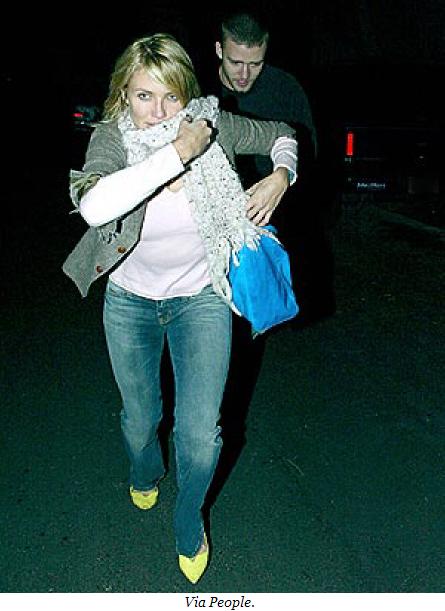
But, increasingly celebs are embracing the paparazzi, realising that if they work in cooperation with them, their public lives will be less tumultuous.

Stewart relays her story about Wagner trailing Liev Schreiber and his son with Naomi Watts, into the subway. After talking to the subject for several minutes, Wagner tells Schreiber that he’s “gotta get a picture of you”, and “Liev said sure, put the kid on his shoulders and let Wagner snap away… No other photographers were around, so it’s an exclusive shot.” Wagner gets paid, Schreiber comes across as a cool family man; it’s a win-win situation.

Celebs with kids can get a bit weird about them being photographed, understandably, and in the same article, when Wagner encounters Watts with the kids, she kindly asks him not to take pictures, and he obliged. See, Hollywood dwellers? There’s no need to get violent with the paps. (Granted, the pics of Schreiber and Watts were taken in New York City, where the paparazzi scene is less brutal than in Los Angeles, and there seems to be a certain air of respect between subject and object.)

Other NYC dwellers such the cunning Sarah Jessica Parker, have some up with ways of making themselves less desirable targets:

“‘[SJP] wears the same thing everyday,’” he [Wagner] says. ‘On purpose. Because you talk about this today, then she wears it tomorrow, then what do you have to say? Nothing.’”
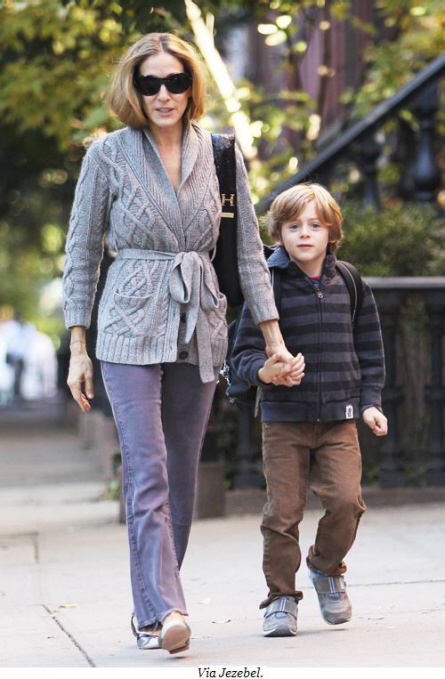
There is almost an element of protection there, too: provided both parties behave themselves and there exists a certain professional relationship, when your every move is recorded on camera, it’s got to be mighty hard to be mugged or attacked. Although, the victims of Alexis Neiers and her young-Hollywood burglary bling ring probably don’t subscribe to this school of thought.

Still, the opinion among the stars, the paps and the consumers who view their snaps on blogs and in magazines and newspapers, is that celebrities need the paparazzi to generate publicity around them, and the paps need to earn a buck. “An interdependency develops between them,” says Howe.

Stewart sums the cycle up nicely:

“We’re interested in celebrity minutiae. Despite ourselves. It is possible to be fascinated and repulsed at the same time. You can find celebrities appealing while finding the gossip culture appalling. We buy the magazines, hate them for lying to us, critique them, laugh at them, talk about them with our friends and buy the magazines again the next week. If you’ve ever read a gossip site or flipped through a celebrity weekly, you’re part of the system: the paparazzi take pictures for the mags and blogs, the mags and blogs exist because there is an audience.”

Related: Poor Little Rich Girl: Lindsay Lohan in Who.

Poor Little Rich Girl: Who Cover Girl Heidi Montag.

Elsewhere: [Jezebel] The Day I Trailed a Paparazzo.

[Vanity Fair]: The Suspects Wore Louboutins.

Magazines: Poor Little Rich Girl—Lindsay Lohan in Who.


Who’s feature on Lindsay Lohan’s fourth trip to jail (albeit for less than a day), and the accompanying four mug shots, paints a bleak picture.

While I think Lindsay is a great actress and has the promise to really shine onscreen, I do believe she has massive psychological issues stemming from her upbringing, the burden of a career as a child star and subsequent foray into the Hollywood drug and party scene.

She was obviously coddled by her parents and, later, her minders, managers and enablers so that, at age 24, “she can’t stand to be alone, ever” at a time in her life when she should be taking responsibility for her actions and turning into a true adult.

A recent article in The New York Times Magazine that deals with the Gen Y/“20-something” stigma, aptly titled “What is it About 20-Somethings?”, asserts that those “who don’t have an emerging adulthood” (from ages 18-25, which involves finishing school, moving out of home, becoming financially independent all of which Lohan has done and, traditionally, getting married and having children [factors which aren’t so paramount nowadays] but, especially, making mistakes and learning from them on your own), like Lohan, “might face developmental tasks identity exploration, self-focus, experimentation in love, work and worldview” may manifest themselves in later life, as a mid-life crisis, for example.

“Emerging adulthood must be both universal and essential,” because “if you don’t develop a skill at the right stage, you’ll be working the rest of your life to develop it when you should be moving on… The rest of your development will be unfavourable altered.”

Perhaps one of these skills is appreciating alone time, not only in superficial terms, like spending a day at home by yourself engrossed in a good book, a movie marathon, or spring cleaning, but in terms of reflecting on your experiences and, again, learning from them.

Clearly, Lohan has not learnt from her mistakes involving drugs and alcohol, with five stints in rehab in addition to her four in jail.

“What is it About 20-Somethings?” mentions the Yellowbrick residential program in Illinois, whose “philosophy is that young people must meet these challenges without coddling or rescue.”

While some rehab programs try to nip undesirable behaviour in the bud, Yellowbrick does the opposite: “We want the behaviour to unfold, and we want to be there in that critical moment, to work with that behaviour and help the emerging adult transition to great independence.”

A common belief in opposition to the “Lindsay Lohan needs help” mentality is that she’s still young, and for a lot of normal (re: out of the spotlight) young people, her behaviour is conventional. If so, this behaviour is unfolding naturally, and hopefully she will grow out of it. After all, she does have one more year left of “emerging adulthood”.

Elsewhere: [NYTimes] What is it About 20-Somethings?

[Jezebel] In Defence of Lindsay Lohan.

On the (Rest of the) Net: Jumbo Edition.

After last weeks flat effort, On the (Rest of the) Net is back in fine form, with a bumper edition.

“Reading About ‘It’ Girls Makes Me Feel Like a Shit Girl”: The title alone is worth the read, but Rachel Hills raises some interesting points, as always.

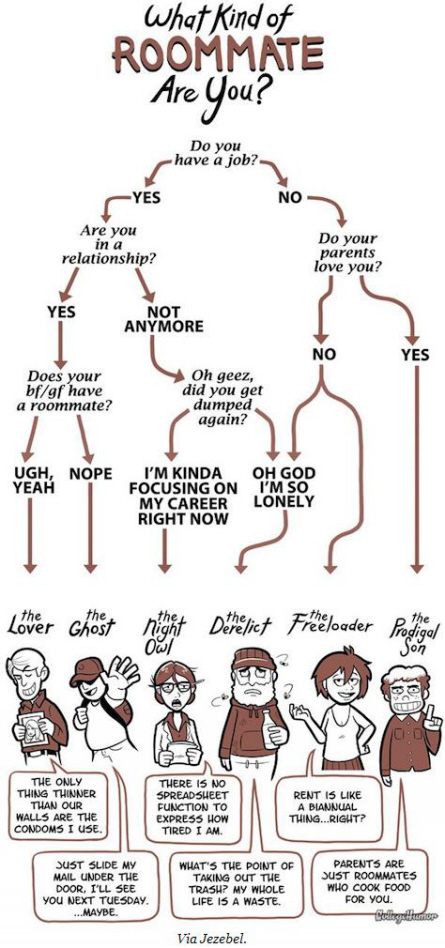
You can choose your friends, but you can’t choose your family. Luckily, my housemate is both a friend and relative and, while it’s still early days, thank God our relationship is a tad more functional than those expressed in this flow chart.

Frequent trips to the video store when I was younger means I’m privy to some of the best so-bad-they’re-good flicks of the late ’80s and early ’90s that not many others my age were. Teen Witch, Girls Just Want to Have Fun and Don’t Tell Mom the Babysitter’s Dead spring to mind, the latter of which has a “surprisingly serious” message behind it.

The Sunday Times Magazine ran with a story on “Lady Gaga & the Death of Sex”. Unfortunately, you have to pay to read the whole thing, but here’s a snippet. Hopefully an Australian mag picks up the story…

More Gala Darling wisdom. (Speaking of wisdom, I’m getting my wisdom teeth pulled today, so wish me luck!)

Jezebel asks (borrowing a direct headline from an Indian newspaper), “Should a Woman Marry Her Rapist?”

All the hullabaloo surrounding Christina Hendricks’ bangin’ body means she’s “gone from poster child for the supposed comeback of curves to practically a stock photo for any story about bodies.” Sure, “we can all agree that Hendricks is pretty fucking hot from head to toe,” but “Hendricks still fits the Hollywood ideal of beauty in most ways.”

I loved seeing all of Jenna Templeton’s pics from her recent trip to Melbourne on My Life as a Magazine. Love, love, love the store Harem on Brunswick Street, and so does she!

God help us! I didn’t think you could get any worse than Sarah Palin when it comes to female Republicans, but apparently you can. Jezebel runs a piece on “the new Republican candidate for Senate in Delaware”, Christine O’Donnell. A bit of background: “She is a devout Catholic, chaste, anti-masturbation, pro-abstinence-only sex ed, anti-condoms and anti-porn.” But what I find most conflicting about her stance is that “There’s only truth and not truth… You’re either very good or evil.” We’re all going to hell, then!

Tavi Gevinson gives her take on “Kinderwhore Britney” on the cover of Japanese magazine Pop: “These covers shock us because, even though this is how we’ve been used to seeing Britney Spears throughout her entire career, she’s finally the one to comment on our culture’s disturbing obsession with her.”

In a similar vein, Julian Abagond at Sociological Images wants to know “Why Do the Japanese Draw Themselves as White?” Well, “as it turns out, that is an American opinion, not a Japanese one. The Japanese see anime characters as being Japanese. It is Americans who think they are white. Why? Because to them white is the Default Human Being.”