Pop Culture Power Women.

This is an edited version of an article originally posted on Girl with a Satchel.

Magazines and media blogger Erica Bartle, of Girl with a Satchel, has recently upped her workload as feature writing and fashion and style journalism tutor at Queensland’s University of Technology. Erica’s first lecture inspired her to write this:

After experiencing some minor audiovisual issues (during which time I had a little jokey internal monologue with Tina Fey in Date Night about the “computer sticky thingy”) and giving my introductory lecture on feature writing on Monday, I opened up the opportunity for questions.

“Are you going to be referencing Sex and the City every lecture?” deadpanned one male student channelling Daria. Touché!

I actually hadn’t intended to make reference to the show (in fact, I genuinely try to curb such things, knowing how tiresome it can sound), but sometimes a pop culture reference comes to mind that fits the occasion aptly enough to illustrate a point and simply must be voiced (cue the scene in Sex and the City when Candice Burgen, playing Carrie’s Vogue editor, returns her piece on shoes dripping with red ink).

Though more “serious journalists” prefer witty literary/historical/political references and high-brow in-jokes, I love a good pop culture reference in a feature; preferably if it’s Gen-Y nostalgic. It says, “you speak my language”. Gillard and Abbott (or, rather, their speech writers) should really think about throwing some random Simpsons/Mad Men quotes into the mix (okay, it didn’t work for Joe Hockey!).

Give me Seinfeld, give me slinkies, give me scrunchies, give me The Goonies and Gilmore Girls and I’m yours. As Elle Woods once said, “Exercise gives you endorphins. Endorphins make you happy”. So does good pop culture. And puppies.

So who better to inspire the writer’s musethat voice that sits upon your shoulder like trusty Tinkerbellthan some of the feisty and fabulous gals you pointed to in response to the pop popularity poll? Make like Buffy Summers who “slew all manner of demons and even had breath to spare for puns and quips”.

Erica Bartle.

Elsewhere: [Girl with a Satchel] Women of Pop Culture & the Unashamed Use of Cutesy Clichés.

TV: The Hills Finale—All Good Things Must Come to an End.


A lot of viewers might have argued that The Hills had passed its prime awhile ago, probably around the time its star, Lauren Conrad, bid farewell midway through season five.

While that may be somewhat true (personally, my favourite seasons were the second half of season three, and season four), The Hills has always been what it was intended to be; a guilty pleasure.

It was also one of the first shows to really catapult the “scripted reality” notion into the mainstream, in the footsteps of which so many others followed: The Real Housewives, Keeping Up with the Kardashians, Girls of the Playboy Mansion and pretty much every other MTV show since The Hills’ debut (bar Jersey Shore, which Perez Hilton, in last week’s column for Famous, called “raw [and] real”the antithesis of The Hills).

But the buzz has been around the show’s final episode, which aired two weeks ago in the US, and which Australia is still waiting for.

After so much criticism of the action on the show being fake vs. real, with scenes being shot several times for the best angles (both camera- and storyline-wise) and “cut up to death”, the producers and writers (?) decided to capitalise on that allure.

SPOILER ALERT: The final scene sees Kristin Cavallari and Stacie Hall packing the rest of Kristin’s things into a waiting car, as she’s moving to Europe (E! television personality Joel McHale of The Soup hilariously noted that Europe is a continent, not a country, and Kristin never once mentioned where in Europe she was going!), to “find myself” and “figure out what I want”. Brody Jenner is waiting by the car to say a final goodbye to Kristin, who told Brody she loved him but was knocked back. He says he would have got together with her if he knew she would move away when he rejected her. Kristin says “that’s all I’ve ever wanted to hear”, but she’s still going. They hug, kiss, cry, and the car drives away with Kristin inside, leaving Brody brooding beneath the Hollywood sign.

As the camera pans out, the Hollywood sign starts moving, and it is revealed that Brody is standing on a film lot. Kristin runs from the car as the director yells “cut!”, embracing Brody as the two are congratulated by the crew for wrapping the last scene. END SPOILER ALERT.

Confusing, much?!

While The Hills season final may not get as much publicity and/or examination as, say, The Sopranos or LOST, it is a clever poke at the media and Hollywood. Brody said:

“I think the show has always battled with what’s real and what’s fake, and this ending was perfect because you still don’t know what was real, what was fake and it’s kind of like LA in a sense.”

Oh, how poignant!

There are still a lot of loose ends that fans are left hanging with, though, and I guess that’s the dilemma of having a “reality” show that is based on the real lives of its stars, but it scripted to within an inch of its life, and some of its stars (ie. Speidi) can’t reconcile those difference.

I would like to know what happened with Heidi and Spencer, and if they ever reconciled with Holly, Heidi’s sister, and their mother, Darlene. And if Audrina finds what she’s looking for by moving out of Hollywood. Ditto Kristin in Europe.

But I guess we will find these things out in Heidi’s new reality show with The Hills alum Jen Bunney, and Audrina’s rumoured show, The Audrina Patridge Show.

Until then, there’s always the tabloids.

Related: The Hills Have (Dead) Eyes.

Elsewhere: [MTV] Brody Jenner Reveals Alternate Hills Ending with Lauren Conrad.

Magazines: Everything They Touch Turns to Gold.


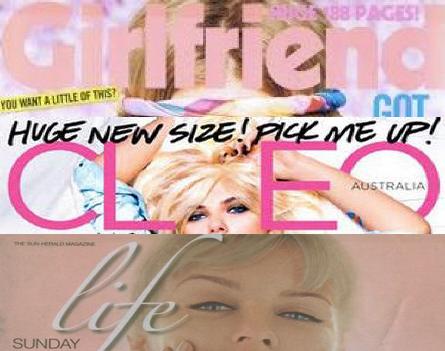
Sometimes I look back at some of my favourite editions of magazines like Girlfriend and Cosmopolitan and think, they’re not what they used to be.

Don’t get me wrong, they’re still great mags changing the glossy face of Australia, what with Girlfriend’s Girlfriend of the Year, Think. Do. Be. Positive and I Delete Bullies and Cosmo’s Body Love campaigns.

My favourite issue ever of Girlfriend (and at almost 23, should I even be reading this magazine anymore?!) was back in November 2007, with Indiana Evans fronting the mag.

And, while I will always be a Cosmo girl, I’m struggling to get as excited about the mag as I was when I first started reading it seven years ago. I was lucky enough to get a taste of Mia Freedman’s editorial skills before she left the mag soon after, and have been a sucker for her ever since.

Only now am I starting to put the pieces of the puzzle together as to why Girlfriend, in particular, meant so much to me during that time.

Erica Bartle, creator of Girl with a Satchel and former Girlfriend staffer herself (more on that in a minute), recently blogged about current Cleo editor Sarah Oakes’ resignation and subsequent appointment as Sunday Life (Fairfax’s Sunday newspaper supplement) editor, and thank God she did!

I am now able to prepare myself to love Cleo a little less, and Sunday Life a little more. Much like falling out of love with Girlfriend around the time Oakes left, and falling fast for Cleo, especially following its recent redesign.

For my money, Oakes is the next Freedman, and I will buy anything she puts her name to.

I became familiar with her whilst she was editing the teen mag, which I began to read again at about age 18. Admittedly, I was out of the mag’s target audience age range, but the left-of-centre features, quirky crafts and “Click It” pages exposed me to a whole new internet world, comprising of Etsy stores, Gossip Girl fashions, creative projects and so much more.

Back when I was pursuing my magazine dreams, Girlfriend was a mag I wanted to internand eventually be paid to workat.

Then Oakes moved over to Cleo, and I immediately felt the shift in the quality of the content. Cleo used to be a magazine I felt I’d wasted my money on after purchasing, but it slowly surpassed all other magazines on my must-have list. I’ll be sad to see her leave, but glad that I now get my Sarah fix weekly, and for free! (Well, at the low $2 price of The Age.)

It’s no secret that the aforementioned Girl with a Satchel is a blog I frequent regularly; a blog that I have written for, and a blog that inspired me to start my own.

I think Bartle is a clever, self-deprecating and an “everywoman” writer, perhaps in the vein of Oakes and Freedman. Considering Bartle worked on Girlfriend during Oakes’ editorship, it’s hardly a surprise. (As I said, I have a soft spot for the “Click It” pages, which Bartle was responsible for compiling.) She has a knack for making the reader feel like they’re besties, or BFFs, or whatever it is the cool kids call it, and although I would merely call us sometime-collaborators/fellow bloggers, I sometimes wish we were.

Its no surprise the magazine world is a small, incestuous little family, and the same names usually pop up all over the place, from ACP to Pacific, and now, to the blogosphere. (As Bartle writes, Cosmo features editor Caelia Corse is now heading over to Women’s Health, which is edited by fellow former Cosmo girl, Felicity Harley nee Percival.) And I think it’s safe to say that the output of quality writers that readers can relate to may be due to the nurturing and mentorship of some great editors; in addition to the Oakes-Bartle dynamic, Lisa Wilkinson was the editor of Cleo when Freedman got her break, who then went on to mentor Harley and Freedman’s successor Sarah Wilson at Cosmo, and Wilson’s successor, current Cosmo editor Bronwyn McCahon. Phew!

As much as many people who write-off the magazine industry as fashion, beauty, diet and pop culture poppycock (many of my friends do, but they read this blog anyway ’cause they love me!), there’s no denying that it does attract many of Australia’s best female (and male) writers, and with the help of the seasoned and talented editors who’ve come before them, there’s certainly a bloodline of glossy (and bloggy, and newspapery) flair that is being secreted by the Australian magazine industry.

The Hills Have (Dead) Eyes.


While The Hills has come to an end (more on that to come), its final season has been one marred with controversy.

First, Heidi Montag debuted her plastic (not-so-) fantastic look in the lead up to the premiere.

And in other Speidi news, the couple accused a producer of sexual harassment and left the show soon after.

Kristin Cavallari was suspected of having an eating disorder and a drug addiction, while Stephanie Pratt came clean in the tabloids about her past food and alcohol problems.

And finally, Heidi filed for divorce from Spencer, who demonstrated signs of drug dependence and anger management issues in his final episodes.

Phew!

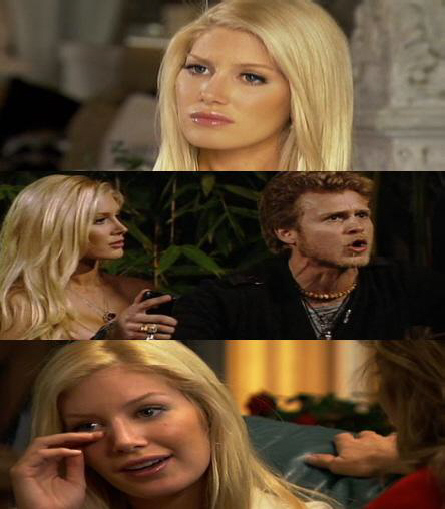
A recent episode, aptly named “This is Goodbye” for Speidi’s last hurrah, was troubling, in that it showed just how distorted Spencer and Heidi’s perception of reality has become.

Kimberly, in a topical blog post on I Love Wildfox (a component of the brand Wildfox Couture), came to the defence of Kristin, Audrina et al, saying that with the seemingly low expectations the producers have of its cast, it’s no wonder Heidi, in particular, “has a warped perception of who she should be”:

“Maybe I need to watch the prior seasons to understand what MTV was really going for, but basing my opinion on this [one] episode I gathered this message from the astoundingly popular series: look pretty, gossip, sunbake, flirt, look pretty…

“The girls on the show are all incredibly physically beautiful. Looking good in every light at every camera angle is not normal. Most girls don’t look half as pretty on camera as they do in real life.

“It saddens me that MTV chose the easy suck-you-in route once again, telling all girls everywhere, ‘this is what you should talk about, this is what you should want to be,’ without showing (even once in an entire episode) what these girls actually struggle with, what they are good at, or what they dream of; even The Girls of the Playboy Mansion managed to do that!”

The buzz surrounding the final episode, which aired last week and featured Kristin leaving for Europe, with a saddened Brody Jenner (Kristin’s ex) watching as she drives awayonly to have the Hollywood sign Brody’s standing in front of revealed as a green screen, and that the whole final scene was shot on a film lot, seems to be taking a stab at the “scripted” label, leaving audiences wondering whether the whole thing was a set-up or if it somehow morphed into one along the way.

Kristin has been quoted as saying that The Hills was just her job, and she would never put her real friends and the people she cares about on TV.

So why did “Heidi’s family appear on the show to discuss her surgery, further condoning the need for limelight on their daughter’s sad and massive insecurities”?

You will notice that it’s really only the Pratt and Montag families who were caught up in the “drama” of the whole show, which bodes the questions: were Speidi’s marital woes all a set up? What is the extent of Heidi’s body dysmorphia and the necessity of her multiple surgeries? Did her family really express shame at her new look, or were they all in on the act, if it was an act, too?

Going back to “This is Goodbye”, there is a scene at a club that Heidi and Spencer rock up to, uninvited, during a fun night out with most of the other cast members. Spencer speaks of he and Heidi’s life together, saying, “I don’t let her go on [watch] TV, no computers. The only thing Heidi does is read and write poetry, and pray, and pet puppies…”, while Heidi sits there genuinely and enthusiastically nodding along, only interjecting to add, “and I read books”.

When Kristin confronts her about being isolated from her friends and family, Heidi says she’s just focussing on her love for Spencer and asks, “who am I without Spencer?” If she’s not an emotionally battered wife, I don’t know who is. As Holly said, “she’s brainwashed”.

Furthermore, Kristin and Audrina add that “there’s nothing going on behind those eyes anymore” and “there’s no emotion”, respectively.

I would tend to agree with these statements, however I don’t agree with what comes next.

When the girls discuss what to do about the abusive state of their friend and sister’s marriage, Lo asserts that “Heidi is guilty on all counts… she hides behind Spencer and plays the victim”.

If this was real life, I would say that Heidi’s alleged friends and family should have stuck by her a little harder, supporting her through her inevitable marriage breakdown.

But we don’t know how real The Hills really is, so I have to say that maybe Heidi did willingly become a victim to Spencer’s controlling ways or, to take it a step further, to Hollywood’s ideal of what a woman should be.

Kimberly declares that she hopes “those of you out there who criticise yourselves and your bodies, who look at thin girls all over the place in fashion, who watch outlandishly pretty young ladies on television, who admire movie stars and supermodels and yearn to be like them can know: That’s not what it looks like. Ever.”

It is also interesting to note that Heidi, and to a lesser extent Stephanie, Holly and Audrina, is the only one whose succumbed to this ideal.

Lauren Conrad, the original star of the show, got out when the going was good, and now leads a relatively quiet life as a fashion designer-cum-author slashie. Kristin, as her earlier comments illustrate, knows it’s only a job. Lo is fairly low-key and we really don’t know that much about her, which is probably the way she likes it. And while Audrina, Holly and Stephanie may have had surgical augmentations of some kind or another, they all remain fairly down-to-earth girls, or so it would seem.

Kimberly also notes that while almost everything on the show is fake, The Hills “is the realest account of female self-destruction I’ve ever seen on television”. This may be true, but this unravelling of Spencer and Heidi can be taken as an exercise in critical discourse about “reality” television, Hollywood and celebrity culture, which bodes the question: why can some people handle fame whilst others become the next Lindsay Lohan, trapped in a prison sentence, both literally and figuratively?

Elsewhere: [I Love Wildfox] That’s What Girls Are Made Of.

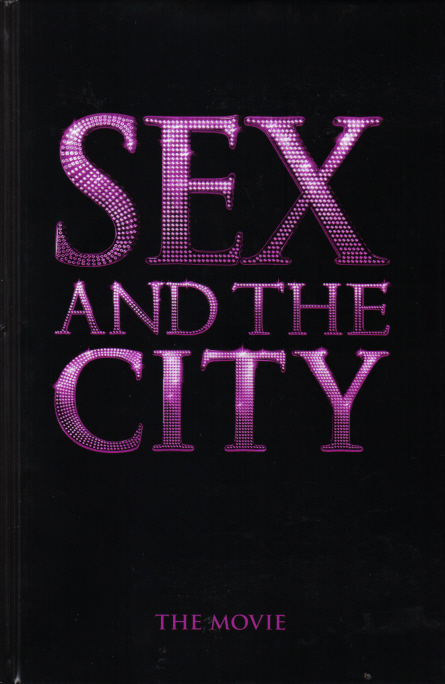
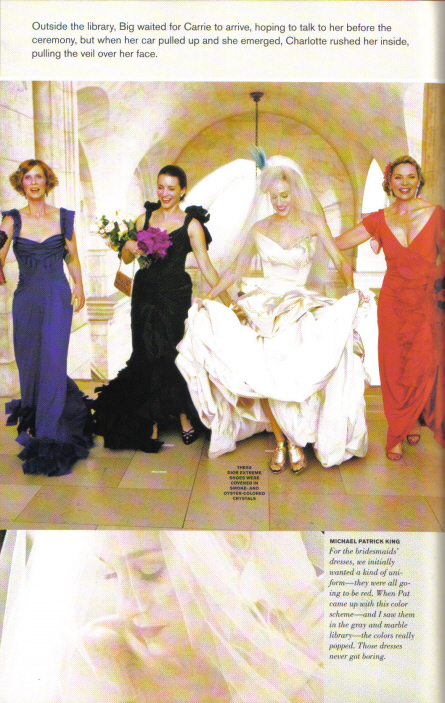
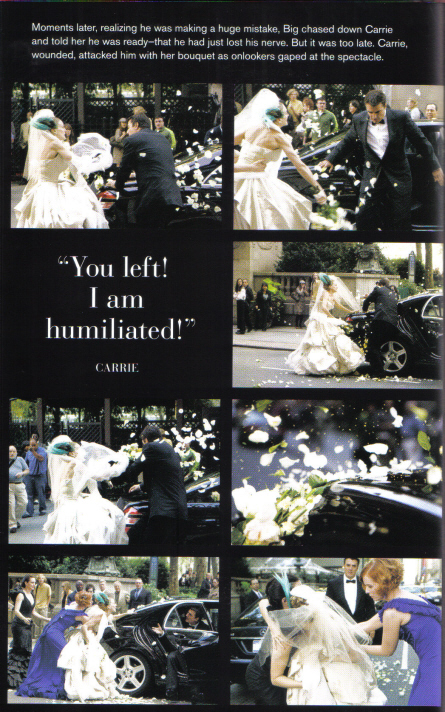
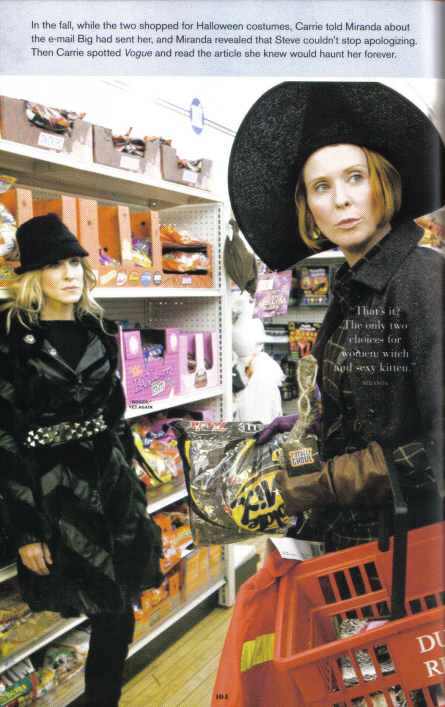
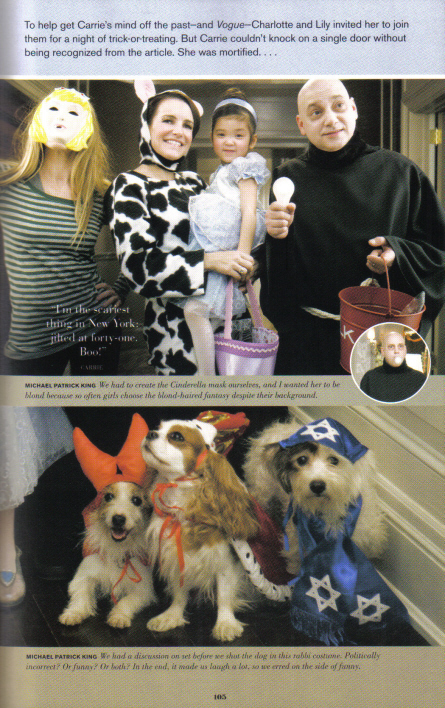
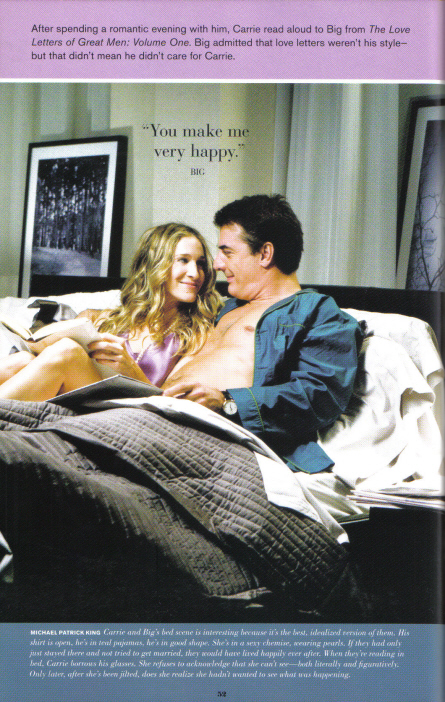
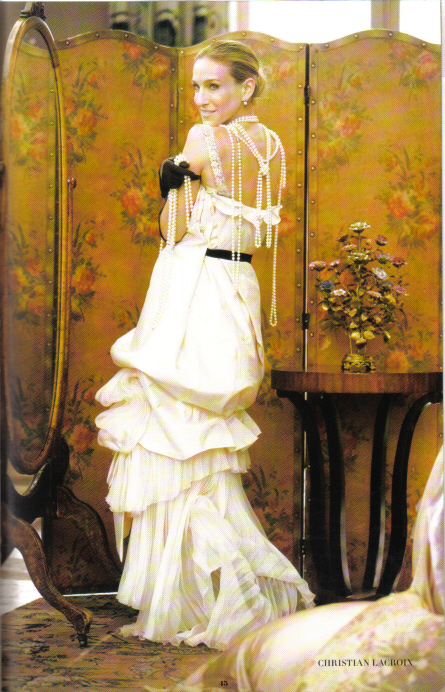
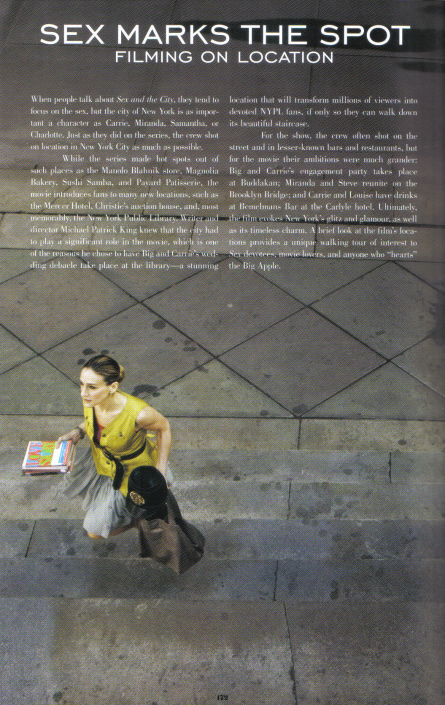
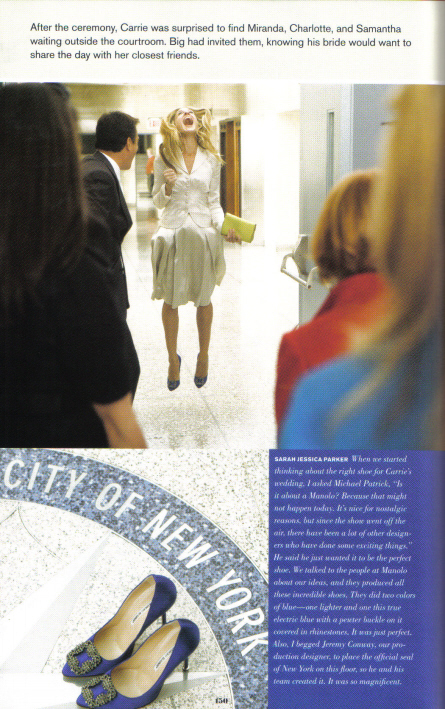
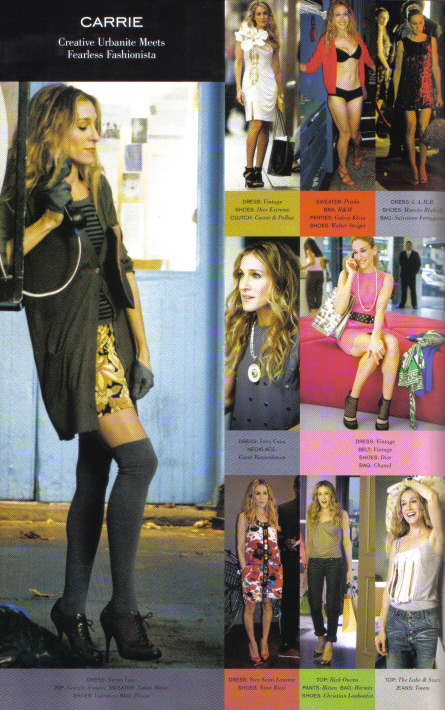
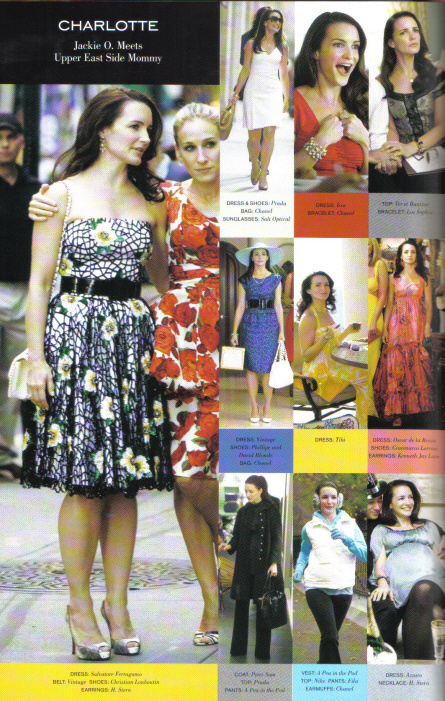
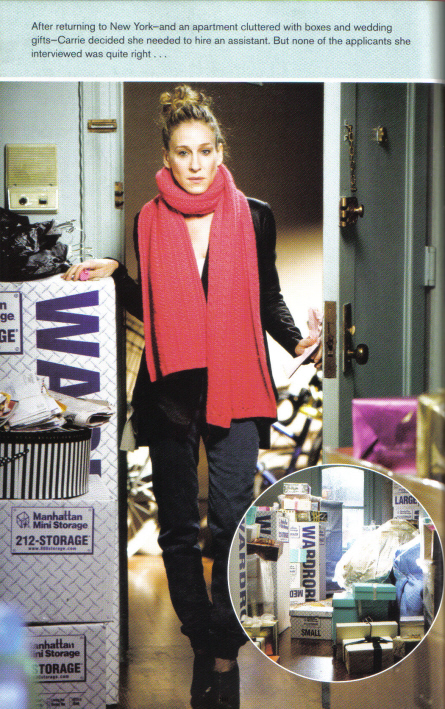
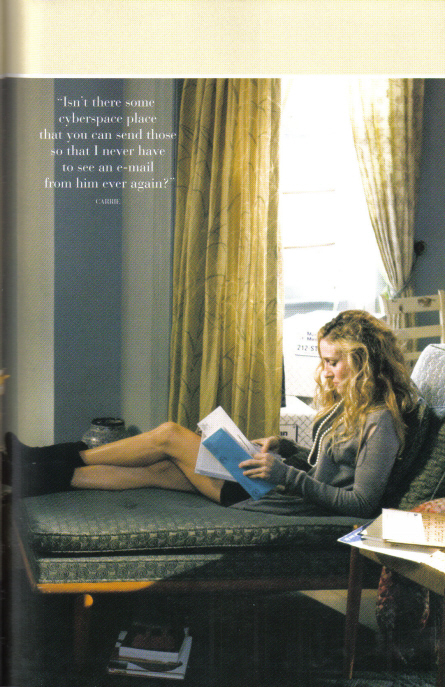
Book Review: Sex & the City: The Movie Coffee Table Book.


A few weeks ago I reviewed the Sex & the City 2 coffee table book in accompaniment to the movie.

There was quite a lot of controversy surrounding the second film, and while I still maintain my stance that it wasn’t that bad, I will state for the record that the first film shits all over the second.

In terms of coffee table books, though, I think I prefer the second book to this one.

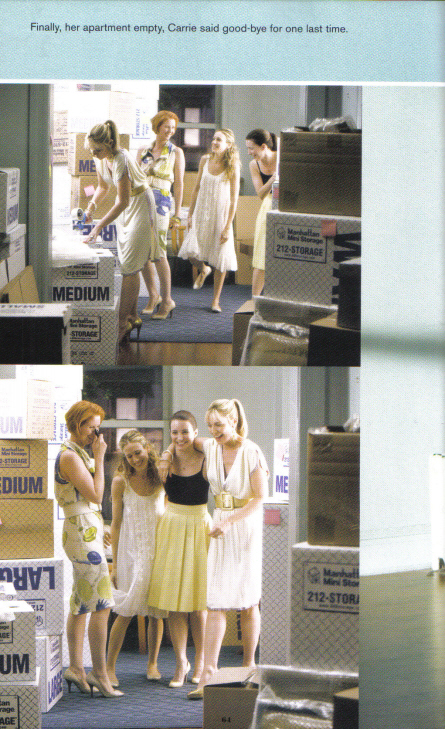
Nonetheless, it is a beautiful exercise in film photography. The fashions, the furnishings, the friends!

I Get By With A Little Help From My Friends.

“How often do you ‘colour’?”

“Charlotte Poughkeepsie’d in her pants!”

Big Man on Campus.

In Vogue.

The hero dress.

The hero shoe that saved Manolo Blahnik from going out of business.

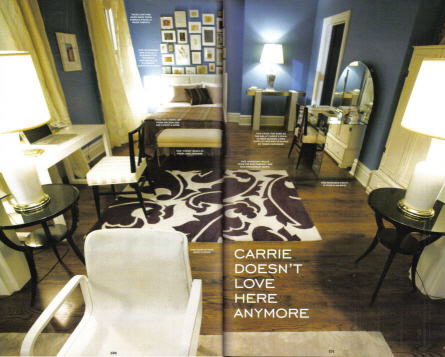
Apartment Therapy.

Carrie’s apartment is the quintessential single girl’s digs.

How dreamy… even though Carrie is in the midst of depression!

Nice Rack… I Mean Shelf.

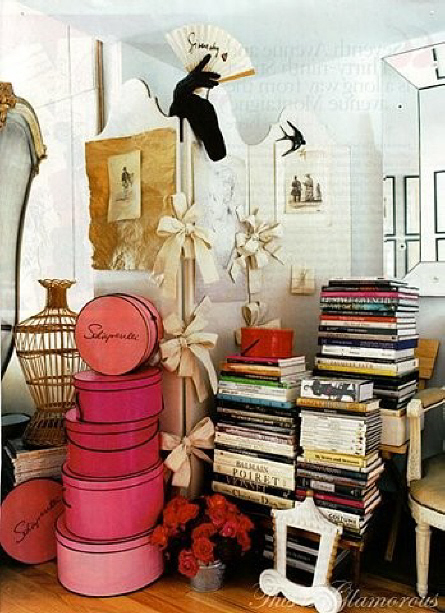
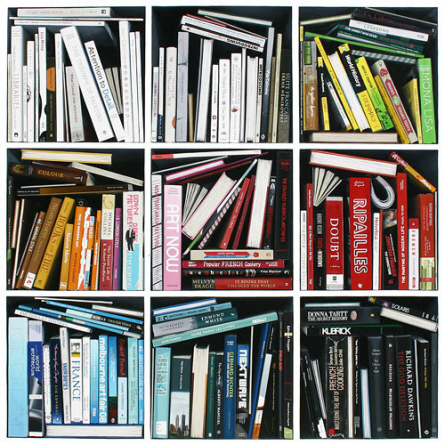
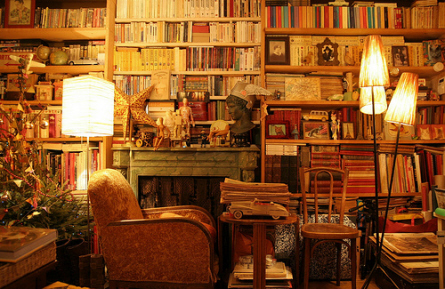
I love nothing more than a good bookshelf.

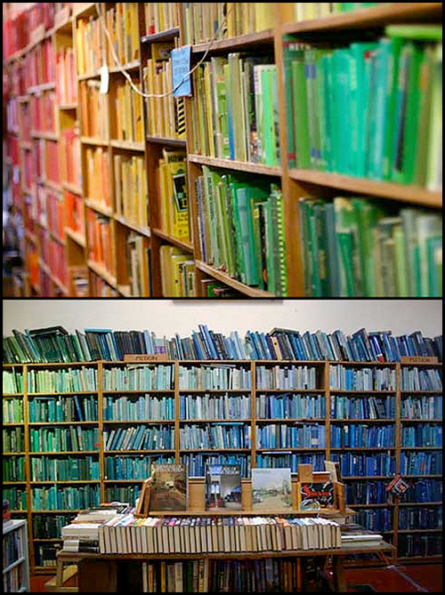
Bookshelf Porn takes care of that, with the best shelves in all the landfrom vintage magazine prints, to the Shakespeare & Co. bookstore, to everyday bookshelves.

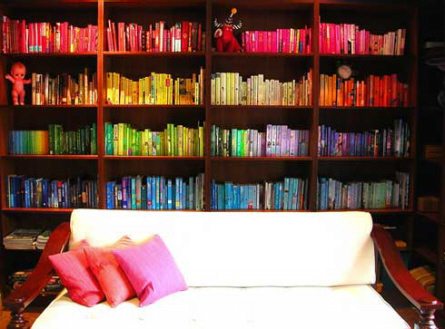
As you can tell from my own bookshelves (the two immediately below), I have a penchant for girlie, colour-coded arrangements with knick knacks galore.

However, I’m not opposed to organised chaos (below), as it gives books and the places they’re read a more cosy vibe.

Books: Happy Anniversary!

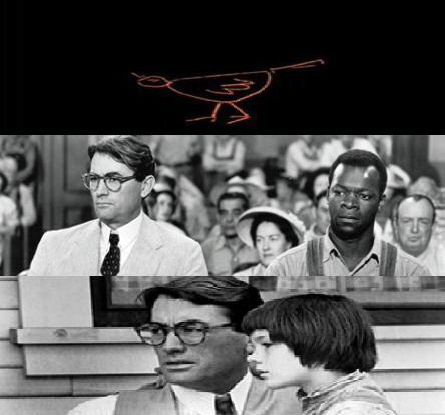
This week marks the 50th anniversary of the release of To Kill A Mockingbird. Fittingly, there has been a lot of hullabaloo in the media of late about the canonical status of the book and whether it is deserving of this status.

And we all know I think it is.

Happy anniversary, Mockingbird! Knowing you has made me a better person!

Related: In Defence of To Kill a Mockingbird.

The Beautiful, Bigmouthed Backlash Against Katherine Heigl & Megan Fox.


Recently, there has been a bit of a backlash against Megan Fox, whothe consensus seems to beshould keep her mouth shut and be grateful for her break in Transformers. Much the same could be said about Katherine Heigl, who left Grey’s Anatomy amidst a storm of controversy earlier this year, when she complained about 17 hour days, which were allegedly scheduled around her movie filming and new mum timetable.

New York magazine went as far to give a “definitive… analysis” on both women, and whether their stock in Hollywood amounts to “buy, sell or hold.”

While Heigl managed to escape with a “hold” verdict, due to her ability to “get a project green-lit just by signing on” (the other four actresses in this category are Julia Roberts, Reese Witherspoon, Sandra Bullock and Angelina Jolie, out of which “Heigl is the only one who will work in a young romantic comedy”), Fox’s future is cloudy (“sell”).

I actually like both ladies, who also happen to be two of the most beautiful women on the planet. But apparently being beautiful and outspoken do not a feminist heroine make.

New York notes that some see Heigl as “refreshingly outspoken”. Others? “A headstrong, self-immolating, gaffe-spewing, headache-inducing diva freak.” Or, perhaps, she’s both?

She has stood up for her co-star T.R. Knight after fellow Grey’s Anatomy doc Isiah Washington dissed him with homophobic slurs. She also called her big-break film Knocked Up sexist, which I wholeheartedly agree with. Then there was the whole withdrawing-her-name-from-Emmy-contention debacle, due to insufficient storylines for her character, Izzie Stevens, on the show. Finally came her David Letterman rant about working seventeen hour days, and that the Grey’s producers should be “embarrassed”.

Some of these things perhaps weren’t the smartest, nor correct, things to say in the public arena, at the risk of coming off as a “diva freak”, but who the freak cares?! It takes a pretty gutsy woman to speak up about those kinds of things, as a lot of people would want to in any workplace; it just so happens that when Heigl does it, the world hears it.

Speaking of smart, Fox isn’t really known for espousing intelligent quid pro quos, but she is arguably Hollywood savvy, as “Fox’s appeal is all about simultaneously exaggerating her sexuality and then downplaying it as just Hollywood silliness.”

The exaggeration? Writhing around in denim cut-offs on a motorcycle in Transformers 2, girl-on-girl makeout sessions with Amanda Seyfried in Jennifer’s Body and lingerie ads, which is what she’s known for.

A recent Jezebel article asserts that “people really, really hate Megan Fox” (apparently, there’s a Tumblr hate-blog, “the description of which reads, ‘Fuck you, Megan Fox. No, really. Keep your trap shut’”) purely for the fact that she’s outspoken. (I’m a goner, then!)

When she criticised Transformers director Michael Bay for being a sexist “jerk”, he laughed it off, and this exchange of words carried on for the good part of a year, until she was let go from the franchise in May.

But in dismissing her from Transformers 3 and casting Victoria’s Secret model Rosie Huntington-Whiteley as her replacement (who’s “most notable acting role was as “Woman in Underpants” in Michael Bay’s own Victoria’s Secret commercial”), this should give Fox “a sense of how she’s viewed”, by Bay, at least.

This is further reiterated by the fact that Bay allegedly made her wash is car in her bikini in place of an audition (casting couch, much?), to which Jezebel says:

“Which she should apparently be really, really grateful for, since whenever people talk about her, they like to throw in the ‘don’t bite the hand that feeds you’ admonishment. To which I say, what if that hand is also trying to grab your ass?

(Perhaps she’s asking for it then, because of the way she looks? But that’s material for a whole different blog post.)

Unfortunately, though I think she’s awesome and has much more to offer, I see Fox going the way of so many sex-pots who are no longer relevant: Tara Reid, Carmen Electra, Denise Richards.

So it seems you can’t win either way. Either shut up, sit tight and look pretty. God forbid you speak your mind, as you run the risk of being labelled an outspoken, ungrateful harpy worthy of your own hate brigade.

Elsewhere: [Vulture] The Definitive Vulture Analysis of Divisive Rom-Com Queen Katherine Heigl.

[Vulture] What is Professional Provocateur Megan Fox’ Valuation in Hollywood?

[Jezebel] Women Who Want Attention.

[Musings of an Inappropriate Woman] Guest Post: Video, Consent & Kendra Wilkinson.

New York State of Mind.


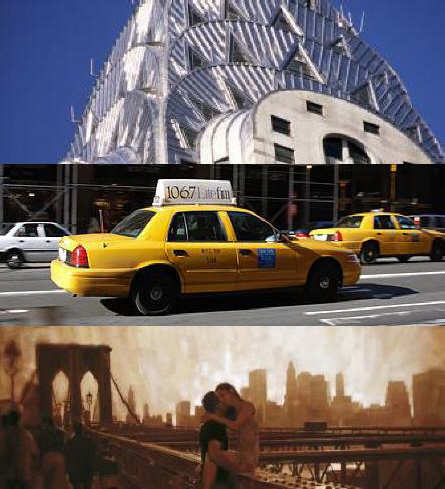
While I’ve never been to New York City, I don’t agree with Conor Friedersdorf’s perception of it. Others, however, may beg to differ…

“Even if New York is a peerless American city, an urban triumph that dwarfs every other in scale, density, and possibility; even if our idea of it is the romantic notion that Joan Didion described, ‘the mysterious nexus of all love and money and power, the shining and perishable dream itself’; even if you’ve revelled in the fact of the city, strutting down Fifth Avenue in a sharp suit or kissing a date with the skyline as backdrop while the yellow cab waits; even if you’ve drunk from the well of its creative springs, gazing at the Flatiron Building, or paging through the New York Review of Books on a Sunday morning, or living vicariously through Joseph Mitchel or E.B. White or Tom Wolfe or any of its countless chroniclers; even if you love New York as much as I do, revering it as the highest physical achievement of Western Civilization, surely you can admit that its singularly prominent role on the national scene is a tremendously unhealthy pathology.

“Despite the rent, the cold, the competition, the bedbugs, the absurd requirements for securing even a closet-sized pre-war apartment on an inconvenient street; the distance from friends and family, the starkness of the sexual marketplace, the oppressive stench of sticky subway platforms in the dog days of August; despite the hour long commutes on the Monday morning F Train, when it isn’t quite 8am, the week hardly underway, and already you feel as though, for the relief of sitting down, you’d just as soon give up, go back to Akron or Allentown or Columbus or Marin County or Long Beachdespite these things, and so many more, lawyers and novelists and artists and fashion designers and playwrights and journalists and bankers and aspiring publishers and models flock to New York City.”

Elsewhere: [The Atlantic] The Tyranny of New York.

In Defence of To Kill A Mockingbird.


By now loyal Scarlett Woman readers will know my affection for To Kill A Mockingbird, so I couldn’t resist, after seeing a recap on Jezebel, responding to Allen Barra’s assertion in The Wall Street Journal that Harper Lee “doesn’t really measure up to the others in literary talent, but we like to pretend she does” and her Pulitzer-winning work is “virtuously dull”.

Well, I never!

Out of everyone I’ve ever spoken to about To Kill A Mockingbird, only one person said they didn’t like it, but she also didn’t finish the book, so she missed the part of the book I think is most poignant: the final paragraphs where Scout recounts the events of the summer from Boo Radley’s front porch, citing her father Atticus’ wise words that “you never really know a man until you stand in his shoes.” For Scout, “Just standing on the Radley porch was enough,” and I think that is one of the most beautiful pieces of imagery that brings the story full circle.

Atticus is the quintessential beloved father figure, and beacon of “all the best lines”, who, funnily enough, Lee crafted to oppose the attitudes of her own father, who allegedly “once remonstrated a preacher in the family’s hometown… for sermonising on racial justice”. Barra mocks Atticus’ juvenile explanation of the Ku Klux Klan (he is speaking to a CHILD, where a certain amount of sensitivity is required) and his dialogue, as seeming to have been written “to be quoted in high-school English papers”. God knows I had a field day with quotes from the book in my Year 11 English Literature essays, and perhaps the reason I feel so affectionately towards Atticus is that he reminds me of my grandfather, who passed away several days before I started Year 11. I don’t think I’m alone in saying that Atticus could be representative of the father figure I never had.

For Mockingbird’s haters, there is the defence that it is a novel for children (Barra quotes “fellow Southerner” and author Flannery O’Connor on her observation of To Kill A Mockingbird: “It’s interesting that all the folks that are buying it don’t know they are reading a children’s book.”) something that I was not aware of until reading the Jezebel article, which should say something about Lee’s writing skills (or my reading skills?).

Nonetheless, I stand by my belief that Mockingbird is one of the best books ever written. Barra might say that, “In all good novels there is some quality of moral ambiguity… There is no ambiguity… at the end of the book , we know exactly what we knew at the beginning: that Atticus Finch is a good man, that Tom Robinson was an innocent victim of racism, and that lynching is bad.” But I think there is some moral ambiguity: was it right of Atticus to “collaborate with the local sheriff to ‘obstruct justice in the name of saving their beloved neighbour…’”? And, as Jezebel asks, “Is Atticus’ evisceration of Mayella Ewell permissible because she is making a false rape claim in the knowledge that it will likely cost an innocent man his life? Is Mrs. Dubose a cranky old racist or ‘the bravest woman I have ever known,’ as Atticus says? Did Boo Radley truly kill Bob Ewell in self-defense? Are Atticus and the sheriff, in their willingness to protect the social status quo, contributing to the system of white male privilege that subjugates women and blacks—and the secrecy on which it depends?

And what did happen to Boo Radley, whom Scout “never saw again”?

Related: Taking a Leaf Out of Amazon’s Book: Bad Customer Reviews.

[Jezebel] Re-Evaluating To Kill a Mockingbird.

[Wall Street Journal] What To Kill a Mockingbird Isn’t.