Fragments of Marilyn Monroe’s Literary Life.


From “Marilyn & Her Monsters” by Sam Kashner, in the November 2010 issue of Vanity Fair:

“Several photographs taken of Marilyn earlier in her lifethe ones she especially likedshow her reading. Eve Arnold photographed her for Esquire magazine in a playground in Amagansett reading James Joyce’s Ulysses [above]. Alfred Eisenstaedt photographed her, for Life, at home, dressed in white slacks and a black top, curled up on her sofa, reading in front of a shelf of books [which forms the cover for Fragments]her personal library, which would grow to 400 volumes. In another photograph, she’s on a pulled-out sofa bed reading the poetry of Heinrich Heine.

“If some photographers thought it was funny to pose the world’s most famously voluptuous ‘dumb blonde’ with a bookJames Joyce! Heinrich Heine!it wasn’t a joke to her. In these newly discovered diary entries and poems [which make up the bulk of Fragments], Marilyn reveals a young woman for whom writing and poetry were lifelines, the ways and means to discover who she was and to sort through her often tumultuous emotional life. And books were a refuge and a companion for Marilyn during her bouts of insomnia.”

Related: All Eyes on Marilyn.

Marilyn Misfit.

Lindsay Lohan: Marilyn, Eat Your Heart Out.

The Ten Books I Wanted to Read This Year But Didn’t.

On the (Rest of the) Net.

“Christina Aguilera: Always the Second Fiddle.”

I don’t believe in New Years resolutions anymore, namely because I could never realise mine. But I like Rachel Hills’ idea of writing an obituary for the year passed. In this case, her 2008 in review.

HuffPo on the absence of modern technology in modern literature:

“The average fictional character is either so thoroughly disinterested in email, social media, and text messages he never thinks of it, or else hastily mentions electronic communications in the past tense. Sure, characters in fiction may own smart phones, but few have the urge to compulsively play with the device while waiting to meet a friend or catch a flight. This ever-present anachronism has made it so that almost all literary fiction is science fiction, a thought experiment as to what life might be like if we weren’t so absorbed in our iPhones but instead watched and listened to the world around us at a moment’s rest.”

Girl with a Satchel ponders the price of a pretty picture.

“Caring for Your Introvert” is one of the best articles I’ve read all year (and considering it was written in 2003, that’s saying something). Here, an excerpt:

“With their endless appetite for talk and attention, extroverts also dominate social life, so they tend to set expectations. In our extrovertist society, being outgoing is considered normal and therefore desirable, a mark of happiness, confidence, leadership. Extroverts are seen as bighearted, vibrant, warm, empathic. ‘People person’ is a compliment. Introverts are described with words like ‘guarded’, ‘loner’, ‘reserved’, ‘taciturn’, ‘self-contained’, ‘private’—narrow, ungenerous words, words that suggest emotional parsimony and smallness of personality. Female introverts, I suspect, must suffer especially. In certain circles, particularly in the Midwest, a man can still sometimes get away with being what they used to call a strong and silent type; introverted women, lacking that alternative, are even more likely than men to be perceived as timid, withdrawn, haughty.

“The worst of it is that extroverts have no idea of the torment they put us through. Sometimes, as we gasp for air amid the fog of their 98-percent-content-free talk, we wonder if extroverts even bother to listen to themselves. Still, we endure stoically, because the etiquette books—written, no doubt, by extroverts—regard declining to banter as rude and gaps in conversation as awkward. We can only dream that someday, when our condition is more widely understood, when perhaps an Introverts’ Rights movement has blossomed and borne fruit, it will not be impolite to say ‘I’m an introvert. You are a wonderful person and I like you. But now please shush.’”

Furthermore, The Los Angeles Times notes that despite the introverted minority, television doesn’t reflect their existence very well. (Does television reflect anything very well?):

“Watch Seinfeld or Friends or Sex & the City or Community or Men of a Certain Age—the list is endless—and you’ll see people who not only are never ever alone but people whose relationships are basically smooth, painless, uninhibited and deeply, deeply intimate—the kind of friendships we may have had in college but that most of us can only dream about now. How many adults do you know who manage to hang out with their friends every single day for hour after hour?”

On that, Gossip Girl is notorious for misrepresenting reality. While she knows I love her, GG often makes me feel guilty about the clothes I’m not wearing, the sex I’m not having, and the events I’m not going to. Apparently, it’s not true to the books, either.

Check out The Washington City Paper for their musings on masculinity over the past decade, with a special focus on boy bands, metrosexuals, hipsters and guidos, à la Jersey Shore.

Gwyneth Paltrow: You either love her or hate her. I hated her with a passion until I saw her on Glee, in which she came across as carefree, cool and sexy and made her a tiny bit more relatable to the general populus who don’t subscribe to her Goop musings. Mia Freedman writes hilariously on this conundrum, with a focus on a related article from Salon.

Also at MamaMia, “17 Arguments Against Gay MarriageAnd Why They’re Bullocks” is brilliant.

Tangled will be the last fairytale Disney releases in a while.

Can you still be a feminist and dress in a bra top? (Of course you can; stay tuned for more on this next week.) Or espouse archaic notions of heterosexual relations, for that matter?

“The Ongoing, Albeit Amusing, Battle to Save Bristol” on Dancing with the Stars:

“‘This seems like a case of the rich, popular cheerleaders looking like they’ve sucked on a lemon when they learn that the poor girl in school, the one in the home-made clothes and religious family, gets elected Prom Queen.’

“I’ve rarely seen such a clean-cut example of the conservative tendency to say up is down and black is white. Or, more precisely, to bemoan how oppressed white, rich, and highly privileged people are.

“… But Bristol Palin hasn’t really done squat. She is literally famous for having a baby at an inopportune time. And now she continues to get promoted over more talented people than her because she was born into the right family… Bristol Palin is a hero to wingnut America because she’s a great example of rewarding someone for being born into privilege instead of on their merits.

“… I just find it extremely funny that the wingnutteria is backing someone with no talent on a show with no real importance to stick it to liberals who by and large don’t really care, and they’re doing so because they’re intoxicated by privilege and kind of wish they had a monarchy, but they’re pretending that they’re doing it because they want to see the oppressed rise above. I suppose after Dancing with the Stars is done, they should start sticking it to the liberals by defending poor, oppressed Paris Hilton, who is definitely the weird girl with handmade clothes that is picked on by cheerleaders.”

Mel Gibson and the curse of the “Sexiest Man Alive” tag.

On Stieg Larsson and the “disturbing”, “torturous” patriarchy of his Millennium trilogy.

Women are funny, too.

On the (Rest of the) Net.

“Benevolent” teen sexism versus “hostile” teen sexism at Psychology Today via Jezebel.

Also from Jezebel, “Facebook Tells You When You Will Break Up” via a handy little graph. I wonder how the graph would change to reflect Australian dating norms andmost interestinglyseasons.

The always hilarious Mia Freedman muses on “First World Problems”.

Gawker’s take on Gossip Girl’s “Juliet Doesn’t Live Here Anymore”, or more importantly, Chuck and Blair’s sex life:

“So, Blair and Chuck are totally mashing genitals against each other for pleasure, and everyone is throwing up all over the place because of it. Because it’s so gross. ‘Hey Blair, let me put my penis inside you behind those bushes.’ THROWUP. ‘Hey Chuck, why don’t you stimulate my vagina with your mouth some more.’ RETCH. ‘Oh my gosh, let’s pant and wheeze and sweat here in this limo because we just rubbed our genitalia together to the point of climax.’… IT’S GROSS, is what I’m saying… But they’re doing it anyway and that was a plot point. Absolutely nothing changed or developed in their fucking…”

Since when did Gossip Girl need a plot point, anyway? It’s a guilty pleasure and that’s the beauty of it.

This 2009 New Yorker article is suspiciously similar to a Law & Order: SVU episode from season 11. But it is a brilliantly haunting read about fire investigation, wrongful incarceration, execution and justice.

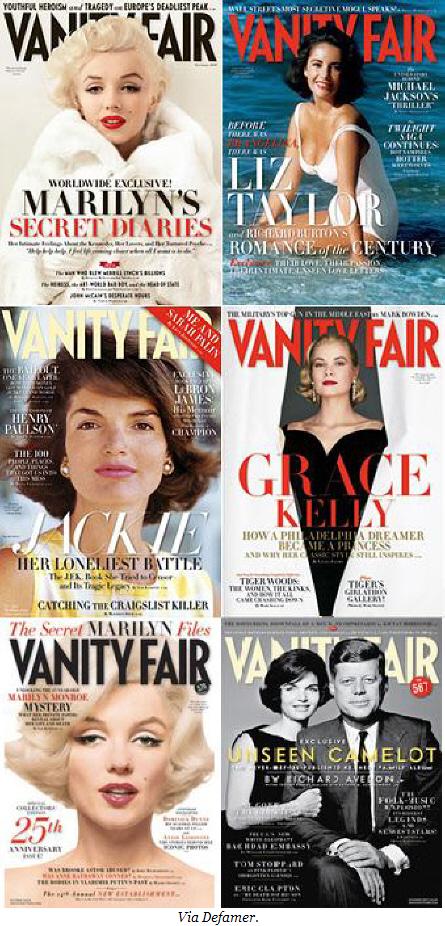
Defamer addresses Vanity Fair’s penchant for posthumous covers.

Ideologically Impure responds to Stephen Fry’s assertion that women don’t like/want/have sex as much as gay men:

“Because, Mr. Fry, do you know what happens to women who openly state they enjoy sex, who act in an overtly sexual manner, who admit to casual sex?

If they get raped, their rapist walks free.

“Because a woman saying she enjoys sex is obviously always up for it. And a woman who’s had casual sex in the past must not be fussy about who she fucks. And a woman who flirts is just ‘sending the wrong signals’ and completely gives up her right to say ‘no’.”

The allure of the Kindle, by Maggie Alderson.

The original “In Defence of Slut-O-Ween” and, in the same vein, The Stranger wishes us a (belated) “Happy Heteroween”.

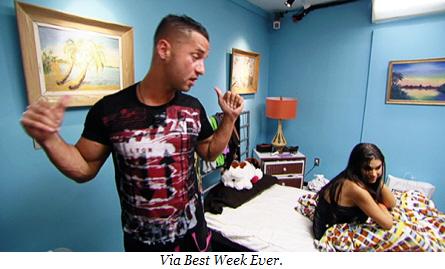
Annabelle DeSisto, the girl who shut down the Situation on Jersey Shore, tells her side of the story on Best Week Ever:

“… He kept asking me if I wanted to change clothes, like to get into something more comfortable like pyjamas. And I was like ‘No’, and he was like ‘But you seem really uncomfortable in that dress, let’s just get you into pyjamas.’ I’m like, ‘Does everything you own have a rhinestone bulldog or dragon or Ed Hardy logo on it?’ And he’s like, ’Yeah, of course!’ And I was like, ‘Then I’m not changing clothes.’”

Sounds like a quintessential douchebag to me!

In defence of Kanye West:

“Part of Kanye’s curse is that after everyone chills out a little, we all realise he was just saying what everyone was thinking, and we were unfair to leap all over him…”

“What is Vampire Sex?” Effing hot, that’s what!

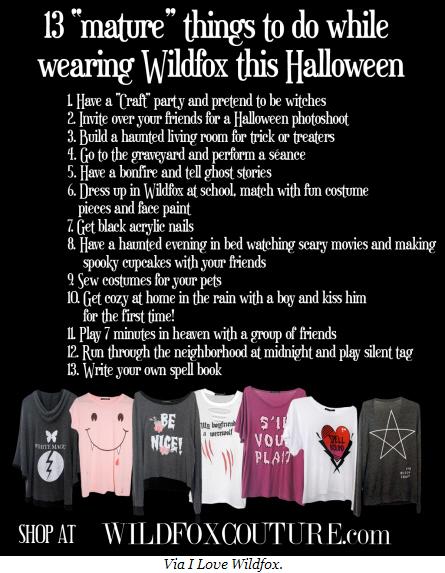
Shameless Wildfox plug: “13 ‘Mature’ Things to Do While Wearing Wildfox This Halloween”. I did just one of these things this Halloween. Can you guess which?

If you missed Zoe Foster’s “All Women Really Want is a Cup Of Fu*king Tea” relationship advice in Cosmo a few months ago, here it is again on her blog, via MamaMia.

Mick Foley pens his thoughts on Linda McMahon:

“… The concerns expressed in regard to WWE are valid onessubstance abuse problems, content issues, the troubling trend of pro-wrestlers dying way too young. But if Linda McMahon is going to be held personally accountable for every negative aspect of her family business, shouldn’t she be given personal credit for every positive aspect as well? Like the 5,000 wishes to children facing life threatening conditions WWE has granted over the last twenty five years, through ‘Make-a-Wish’ and other wish granting organisations? Or the ‘Tribute to the Troops’ tour that WWE has embarked on every year since 2003; spreading holiday cheer to service-members far from home, in remote bases in Afghanistan, Iraq and Kuwait.”

When things are looking glum, take a look at this mantra from Gala Darling. Things aren’t that bad.

Chase You Down Until You Love Me, Paparazzi…

The following is based on a 2006 uni essay I wrote about the camera as an intruder, so sorry for any overly academic phrasing. I have attempted to bring it into the modern day with less formal language after reading an article on Jezebel, “The Day I Trailed a Paparazzi” in which—what else?—one of the blog’s writers trailed a paparazzo for a day.

Is the camera an intruder? Some would say that, in this day and age, with advanced photographic technology and increased access by photojournalists to worldwide events, it is. However, others assert that because of this advanced photographic technology and increased access, paired with the public’s growing need, and right, to know and see, that the camera it is not.

In terms of the cult of celebrity and the growing phenomenon of the paparazzi, privacy is a major issue. Peter Howe, in his book Paparazzi, provides this definition of the occupation:

“It refers to those photographers who seek out and follow celebrities… in order to photograph them in their most unguarded moments. In short, it’s taking photographs you shouldn’t take in places you shouldn’t be”.

However, some might argue that in becoming a movie star or rock star, and thereby a celebrity, you give up your right to privacy. Privacy laws in the US, specifically in Los Angeles where most paparazzi dwell, state that “if the subject of the photograph can reasonably expect privacy in a specific situation, such as inside his home, photographs of such situations cannot be published without permission”. And, as is evident in any glossy tabloid, most paparazzi shots are taken in public places, such as shopping strips and restaurants. “The consensus of opinion among the paparazzi is that the celebrities get the privacy they deserve, and that if you really don’t want to be photographed, then you don’t go to eat at Mr. Chows or the Ivy, where there are always photographers,” says Howe.

French theorist Roland Barthes states that “people change when they’re aware they’re being photographed.” So “when long lenses can ‘trespass’”, “the traditional definitions of privacy may not apply”.

The paparazzi are viewed as the most morally and ethically irresponsible photographer in the business but, “if everyone hates their work, why are they the best-paid and busiest photojournalists in the world?” asks Howe.

Our obsession with celebrity has only grown since I originally wrote this article back in 2006, a time which was already seeing the tabloid market explode, causing “the number of paparazzi to quadruple”, explains co-owner of L.A. paparazzi firm Bauer and Griffin, Randy Bauer, in an article from Cosmopolitan that same year.

Increasingly, blogs have become the stratosphere through which paparazzi pics circulate, however magazines still pay the big bucks. The first pictures of Brad Pitt, Angelina Jolie and their adopted son Maddox on a beach in Africa sold for $100,000; a far cry from the $6.68 million People magazine paid for the exclusive photographs of Pitt, Jolie and their first biological child, Shiloh.

In the five years since Pitt & Jolie got together and were hunted by the paparazzi (Wagner, a paparazzo who participated in a story on Jezebel, asserts that family pics of the couple are still the highest fetching shots), reality TV has reached its pinnacle, with celebs like Kim Kardashian milking their celebrity for all its worth; sad sacks like Lindsay Lohan and Heidi Montag tipping off the paparazzi in order to sell shots of themselves and keep their names in the media; and those in a league of their own, like Lady Gaga, whose song “Paparazzi” and albums “The Fame” and “The Fame Monster” take the piss out of the very machine that made them and creating a new definition of the über-celebrity/icon.

As above, though, the paparazzi are predominantly viewed in a negative light, not only by serious art photographers and the general public but, obviously, the stars they photograph. Kristen Stewart, for example, is one star who has been vocal in her dislike for the paparazzi; those in opposition to her stance might use the argument above, that to have success in the acting world is to accept the constant presence of photographers. Especially when you’re one half of the most talked about couple since the Jolie-Pitts. Elsewhere, the Jezebel article, written by Dodai Stewart, has a focus on Michael Douglas, who is receiving treatment for throat cancer, and the unremitting swarm of photographers outside his house every day. Is hounding a sick man taking our obsession with celebrity too far? American author and journalist Nathaniel Parker Willis says that, “the idea [is] that to really know someone, we must know their private life”.

From the Cosmo article: “[the paparazzi] can make celebrities feel anxious, depressed, and even mildly agoraphobic” That explains the notorious picture of Cameron Diaz, with then-boyfriend Justin Timberlake, attacking a paparazzo, then!

But, increasingly celebs are embracing the paparazzi, realising that if they work in cooperation with them, their public lives will be less tumultuous.

Stewart relays her story about Wagner trailing Liev Schreiber and his son with Naomi Watts, into the subway. After talking to the subject for several minutes, Wagner tells Schreiber that he’s “gotta get a picture of you”, and “Liev said sure, put the kid on his shoulders and let Wagner snap away… No other photographers were around, so it’s an exclusive shot.” Wagner gets paid, Schreiber comes across as a cool family man; it’s a win-win situation.

Celebs with kids can get a bit weird about them being photographed, understandably, and in the same article, when Wagner encounters Watts with the kids, she kindly asks him not to take pictures, and he obliged. See, Hollywood dwellers? There’s no need to get violent with the paps. (Granted, the pics of Schreiber and Watts were taken in New York City, where the paparazzi scene is less brutal than in Los Angeles, and there seems to be a certain air of respect between subject and object.)

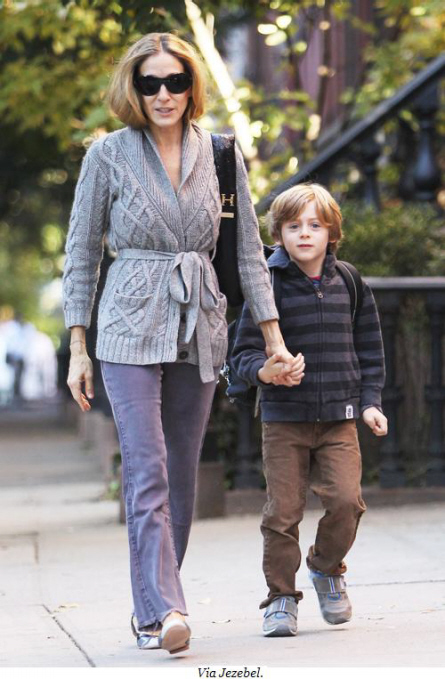
Other NYC dwellers such the cunning Sarah Jessica Parker, have some up with ways of making themselves less desirable targets:

“‘[SJP] wears the same thing everyday,’” he [Wagner] says. ‘On purpose. Because you talk about this today, then she wears it tomorrow, then what do you have to say? Nothing.’”

There is almost an element of protection there, too: provided both parties behave themselves and there exists a certain professional relationship, when your every move is recorded on camera, it’s got to be mighty hard to be mugged or attacked. Although, the victims of Alexis Neiers and her young-Hollywood burglary bling ring probably don’t subscribe to this school of thought.

Still, the opinion among the stars, the paps and the consumers who view their snaps on blogs and in magazines and newspapers, is that celebrities need the paparazzi to generate publicity around them, and the paps need to earn a buck. “An interdependency develops between them,” says Howe.

Stewart sums the cycle up nicely:

“We’re interested in celebrity minutiae. Despite ourselves. It is possible to be fascinated and repulsed at the same time. You can find celebrities appealing while finding the gossip culture appalling. We buy the magazines, hate them for lying to us, critique them, laugh at them, talk about them with our friends and buy the magazines again the next week. If you’ve ever read a gossip site or flipped through a celebrity weekly, you’re part of the system: the paparazzi take pictures for the mags and blogs, the mags and blogs exist because there is an audience.”

Related: Poor Little Rich Girl: Lindsay Lohan in Who.

Poor Little Rich Girl: Who Cover Girl Heidi Montag.

Elsewhere: [Jezebel] The Day I Trailed a Paparazzo.

[Vanity Fair]: The Suspects Wore Louboutins.

On the (Rest of the) Net.

Taking inspiration from Gala Darling: These stunning pictures make me nostalgic for summer days at the fairground… oh, that’s right, I never spent summer days at the fairground. And certainly not in a playsuit with balloons. Via The Cherry Blossom Girl.

Jezebel really has it in for Facebook, doesn’t she? My favourite anti-FB post from the site this week is “When it Comes to Women’s Issues, Facebook Still Hasn’t Figured Out How to Play Fair”.

I absolutely LOVED Through a New Lens‘s post on “How Your Audience is Like the Mogwai”! While I’m certainly not a Gremlins fan, Joey Strawn draws some good points from the film and how they relate to blog audiences. Will be keeping his thoughts in mind.

More Gala goodness; it’s an oldie but a goodie. Gala counts down her “Top 5 Fictional Female Style Icons”. I have to confess, I’ve never seen The L Word or Henry & June, so I’ll have to take her word for it. However, I am totes down with Cher Horowitz, Blair Waldorf and Carrie Bradshaw as 3, 2 and 1, respectively.

Following in the vein of her workaholism posts, Rachel Hills uses Zen Habits’ assertion “that, instead of scheduling our days and weeks and months with small tasks that eventually lead us to whatever place we’re trying to get to, we should just go with wherever our will takes us on any given day.” Like going to bed at 8 o’clock on a Monday night, sleeping through til 8 o’clock the following morning, doing a spot of blogging, and watching 90210 for the rest of the day? Definitely worth a look.

Also at Musings of an Inappropriate Woman, Hills looks at the Kyle & Jackie O rape scandal, as well as the Matthew Johns group sex scandal (which continues to get my goat), and the issue of “grey rape”.

In other GG news, this circa-season one post perfectly encapsulates the addiction to the show its audience faces. Admitting it is the first step, right? More on this post here.

Styleite lists “6 Things Elle Magazine is Doing Right”, three being their heavy online and television presences, and their intelligence section, which I couldn’t agree with more. Half the reason (okay, more than half) I continually buy Elle is because of their great articles and book reviews, and their book blog Lit Life is on my blogroll.. “Think Vogue meets Vanity Fair“.

Still with magazines on reality TV, The New York Times profiled Teen Vogue, which you may remember from (other than the newsstand/agency) The Hills.

Postcards to Alphaville “is a project dedicated to film characters featured in guest-made illustrations”. Below, my favourites.

Finally, try an enlightening personality test this weekend, with the Myers-Briggs test. I got an INFJ result, which means I’m Introverted and expend energy in social situations; iNtuitive and focus on the bigger picture and the possibilities; prefer Feeling to thinking and give more weight to emotions than logic; and I’m Judgemental and like to have my plans made well in advance. Oh, how accurate!

On the (Rest of the) Net.

Frock & Roll has some poignant points on how to “network, promote and get your blog out there” aka “hustle”. I’ve only read part one of the series, but you can find part two here, with part three on its way.

Who do you write like? Apparently, from the sample I typed in to the analyzer, I write like David Foster Wallace, author of one of Time magazine’s All-Time Greatest Novels, Infinite Jest! Not too shabby!

It’s no secret Prince is one of my favourite musicians, but according to Fajr Muhammad of Stylish Thought, he’s also a style icon, assless pants and all!

Edward Cullen sparkles, but feminism certainly doesn’t. Amplify Your Voice discusses “What Twilight Teaches Young Girls”.

Author Marketing Experts suggest “Seven Powerful Ways to Find New Readers For Your Blog” (there’re actually eight!).

An oldie but a goody: Inappropriate Woman Rachel Hills muses on Gossip Girl, Serena & Effortless Perfection”.

In the vein of last week’s “In Defence of Taylor Momsen” comes the case for Lindsay Lohan as she is released from jail and shipped off to rehab for the umpteenth time.

On Tuesday night, “I Went to See Killers, and It’s All Your Fault”, Jezebel!

Girl with a Satchel has two (here and here) fab pictorials up of this year’s September issues. Here’s just a little taste…

The Changing Face of Beauty.

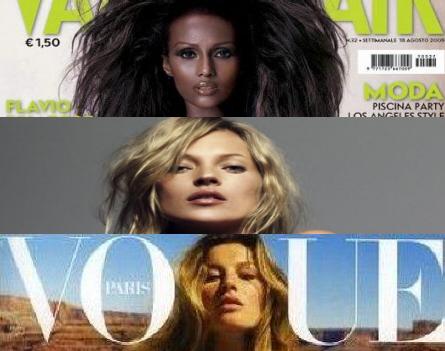
I’ve been meaning to visit Modelinia for a while now, and their History of Models timeline got me thinking about beauty norms across the ages since models became mainstream. Modelinia’s timeline begins in 1928 and follows the top faces (and bodieshello, Elle “The Body” McPherson), such as Twiggy, Iman and Lauren Hutton, through to today’s most famous faces.

Modelinia’s timeline begins with society girls like Dorian Leigh, who was perhaps the “world’s first supermodel” and appeared on the cover of Vogue seven times in 1944 and earned $300,000, “an amount that was unheard of during that time”. Leigh’s partnership with famed photographer Richard Avedon paved the way for future “model as muse” photographer-model dynamics. Leigh was also one of the models who inspired the classic, Breakfast at Tiffany’s.

The late 1940s and ’50s ushered in the age of “Hollywood glamour”, when Leigh appeared on Broadway in The Fifth Season, and “Million Dollar Baby” Lisa Fonssagrives married photographer Irving Penn. These women also proved there was life after modelling, with Fonssagrives “designing a line of leisurewear for Lord & Taylor”, and Leigh opening her own modelling school in Paris, much like Tyra Banks and Heidi Klum today.

The period beginning in 1960 was known as the “awakening” and spawned the births of McPherson, Linda Evangelista, Paulina Porizkova, Cindy Crawford, Stephanie Seymour, Christie Turlington, and Naomi Campbell, the women who would later become known as the über-models of the ’90s.

The ’60s were the years of Twiggy, whose picture was discovered hanging in a hairdresser’s window, and in 1965 she appeared on the cover of Vogue in three separate countries, landing the American edition thrice. She was also the subject of three separate documentaries that year, following on from her radio debut, with the single “Beautiful Dream” in 1964.

Around this time, Hutton refused to close the gap in her teeth, paving the way for the gap-toothed everywhere, like Madonna and Aussie model Jessica Hart.

It was a period of firsts for Hutton, which carried over into the ’70s, who was the first model to front a fragrance campaign, the first to sign an “exclusive cosmetics contract” and the first to reach $1 million in earnings.

The days of disco saw the birth days of the second wave of ü ber-models, like Klum, Shalom Harlow, Banks, Kate Moss, and Laetitia Casta, and the juxtapositioning of the all-American girl next door, Christie Brinkley, with the exotic beauty of Iman. In 1974, Brinkley signed a cosmetics contract with Covergirl, which resulted in a 20-year partnership. Iman served as muse for Yves Saint Laurent, who released his African Queen collection in 1978. While Brinkley appeared on the cover of Sports Illustrated Swimsuit Edition three years in a row (19771979), Iman proved she has commercial appeal, fronting “the June cover of Italian Cosmopolitan” in 1978.

The era of the “poster girl” (commencing with Brinkley’s aforementioned Sports Illustrated cover in 1987 and culminating in the permeation of models in the mainstream) sees models on the covers of all major magazines, from Life to Cosmo to Vogue to Playboy.

And if the saturation of popular culture in the ’80s seemed extreme, the ’90s sought to solidify this with “the rise of the supermodel”, coinciding with “the waif” ideal popularised by Moss’s “heroin chic” look (or as we would find out in 2005, cocaine chic), which was perhaps named for Calvin Klein’s Heroin Kids campaign, which Moss fronted in 1994 .

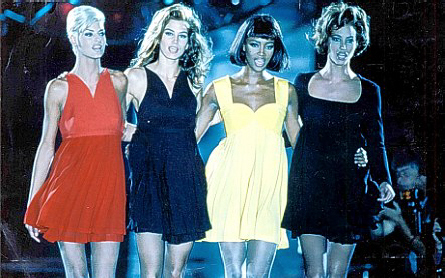
George Michael’s classic Freedom ’90 featured a bevy of supermodels, including Crawford, Turlington, Campbell, Evangelista, and Tatjana Patitz, in 1988. To accompany this, said models appeared on the cover of British Vogue, followed by the iconic group runway walk for Versace in 1989.
The rapid rise of Seymour began in 1989, when she appeared nude in Playboy, began dating Axl Rose of Guns N’ Roses and appeared in their “Don’t Cry” video clip, followed by “November Rain”. She became the first major model to sign with lingerie empire Victoria’s Secret in 1990, followed by her runway debut for Valentino.

It is interesting to note that the über-models of this time worked primarily in beauty campaigns and magazines before debuting on the runway, whereas now it’s the other way around. There are a lot of nameless and faceless models who walk on the runways and act solely as “clothes hangers” for the garments. It is rare that a model will move beyond that tag and permeate the zeitgeist, but those who have include Gisele Bündchen, Agyness Deyn, Daria Werbowy and Miranda Kerr.

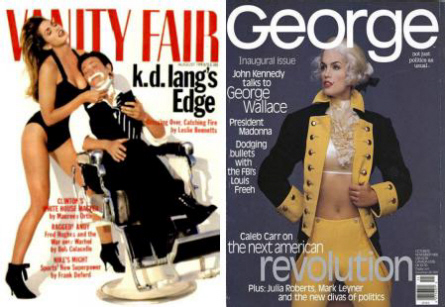
Crawford’s star also rose even higher during this period, with her marriage to Richard Gere and her constant presence on magazines cover of all kinds, including a sexy 1991 cover of Vanity Fair, in which a bathing suit-clad Crawford shaves k.d. lang in a barbers chair.

But Crawford had some competition rapidly rising alongside her: Moss. In 1991, Moss fronted the Calvin Klein Obsession for Men campaign, as well as the Calvin Klein jeans ad together with Mark Wahlberg.

1992 was also a year for sexy magazine covers, with Seymour gracing Playboy for a second time, and McPherson making her debut for the magazine.

In other mag news, Crawford was asked to posed for the cover of the groundbreaking first edition of John F. Kennedy Jr.’s publication, George, aswho else?George Washington.

19941995 was surely Harlow’s time, as she added to her resume of film roles in In & Out, as well as gracing the cover of February W, March’s Paris Vogue, and June Harper’s Bazaar US in 1994, and March W, and December Vogue with fellow model-turned-actress, Amber Valetta.

That year Banks appeared on the cover of Sports Illustrated Swimsuit Edition, the first black model to do so solo.
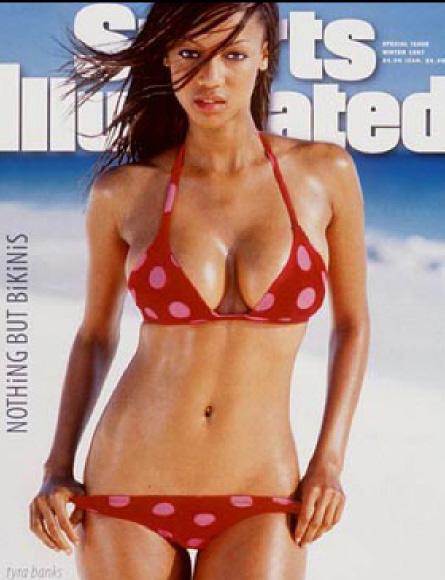
With Bündchen’s appointment to Vogue cover girl in July 1997 the “heroin chic” era allegedly ended, and the championing of healthy bodies like Bündchen’s began. Maybe in the modelling world, but the “heroin chic” movement has wrecked havoc on the notions of beauty, body image and popular culture.

On a side note, recently Playboy.com profiled the changing of women’s breasts over the years, and Jezebel was quick to counter that its not our breasts that have changed, but the media’sie. Playboybelief of what they should look like (NSFW). It is not dissimilar in the case of beauty magazines aimed at women.

By the turn of the millennium, the age of the supermodel subsided, which was noticeable on magazine covers across the world, which began to, and still do, feature actresses and singers on their covers.

With the retirement of the most beautiful faces and bodies in the business, models almost ceased to be relevant, and women who made achievements for something other than their looks were championed. Obviously, there is still a large gap between women on magazines and television and in advertising campaigns and movies in correspondence to how they look rather than what they do, but looking back on the dominance of beauty in the ’80s and ’90s, we are slowly starting to celebrate diversity.

In addition, there’s the whirlwind surrounding plus-sized model Crystal Renn (is she plus-sized, isn’t she plus-sized?), and the model as somewhat of a prop for photographers, magazine editors and designers making a statement, as seen on Evangelista’s November 2009 cover for W magazine’s “The Art Issue”, or Claudia Schiffer (who, interestingly, was not featured in Modelinia’s timeline) and Karl Lagerfeld’s collaboration.
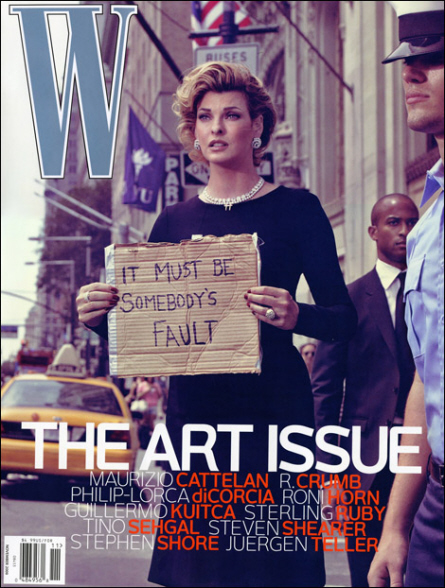
While it’s always nice to look a somethingone beautiful, it’s also nice to realise that there should be more to a model than what she looks like, and in a lot of cases, there is.

You only need to look at the aforementioned Banks and Klum’s careers in television (America’s Next Top Model and The Tyra Banks Show, and Project Runway and Germany’s Next Top Model, respectively), Erin Wasson’s foray into designing, and Kerr’s championing of a healthier life to see this in practice.

But I guess the question is, is this timeline representative of the success of certain types of models in response to our changing attitudes, or are our changing attitudes representative of the success of certain types of models?
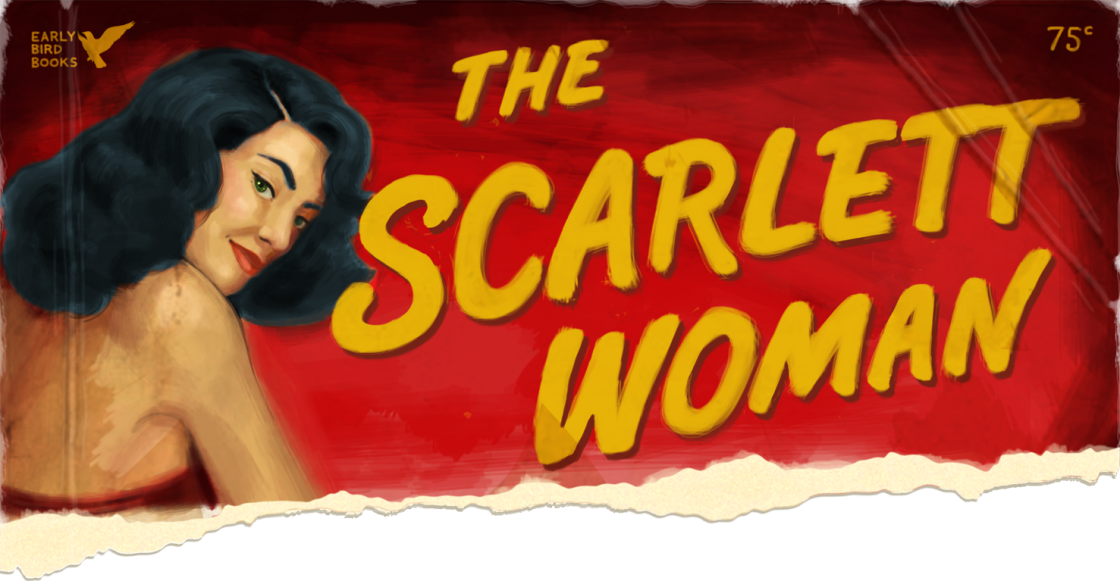
Book Review: Another City, Not My Own by Dominick Dunne.

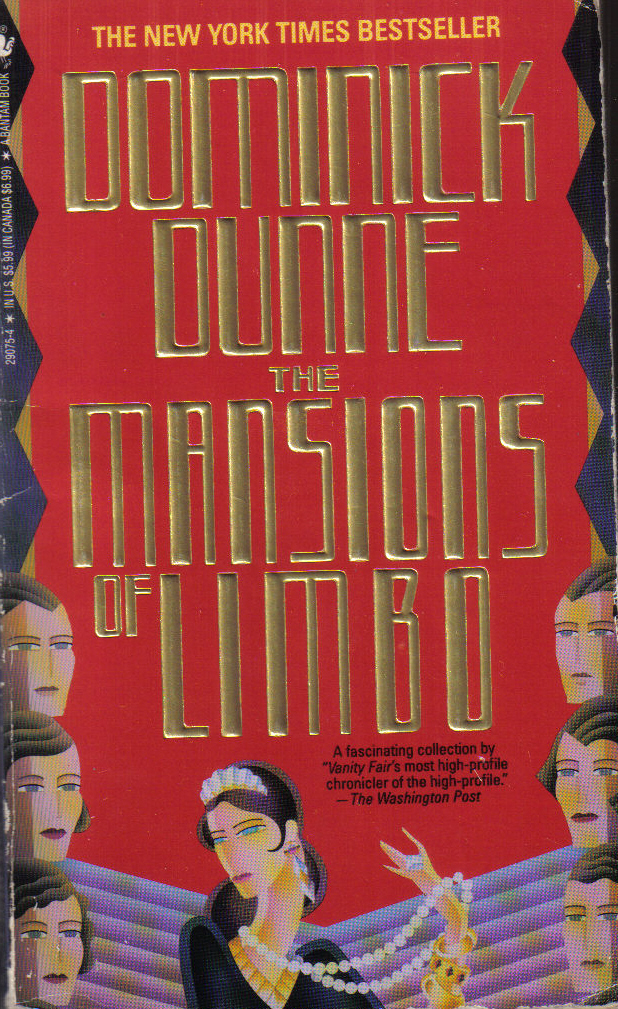
Two weeks ago I reviewed the lacklustre The Mansions of Limbo by Dominick Dunne. But as my favourite author, Dunne can do no wrong in my eyes. This time around, I’m reviewing the book that changed my life, Another City, Not My Own.

There’s nothing in particular that makes it a life changing book for probably anyone other than myself, but after I’d read it, there was no going back. I picked up the “novel in the form of a memoir” in mid 2009 after reading O.J. Simpson’s confessional, If I Did It. I had become fascinated and obsessed with the case, and Dunne’s commentary in the afterword was my first encounter with the famous name dropper.

I’m sure I Wikied him, as I do all new authors and books I come across to better familiarise myself with their writing and whether I want to commit to a book by them, and found out that Dunne was a Hollywood producer whose drug and alcohol fuelled lifestyle caused his wife to divorced him and the industry to shun him. Dunne became a recluse, penning his first New York Times Bestseller, The Winners, in a cabin in Oregon.

The murder of his daughter, Poltergeist star Dominique Dunne, and the subsequent “slap on the wrist” her killerand boyfriendreceived drew Dunne out of the woodwork and into the public glare once again. He became an advocate for victims rights and justice brought against rich and famous offenders, covering such high-profile cases as the trial of Claus von Bülow, charged with attempted murder as his estranged wife Sunny lay in a vegetative state after an alleged insulin overdose; Kennedy relatives Michael Skakel and William Kennedy Smith, serving time for the murder of teenage neighbour Martha Moxley (on which the 1993 novel, A Season in Purgatory, is based) and acquitted of rape charges, respectively; the Menedez murders; and, of course, the O.J. Simpson trial, for Vanity Fair. I could not get enough of his storied history and fascinating accounts of the dark side of Hollywood.

While I have only read a small sampling of Dunne’s published books, as they are quite hard to get a hold of, I just knew from the first self-deprecating paragraphs denouncing his credibility as a crime reporter and mention of the notorious footballer cum alleged murderer cum black hero O.J., as with all good books, that this was going to be one to remember.

Another City, Not My Own chronicles Dunne’s alter ego Gus Bailey’s return from New York back to the city that ruined his life, Los Angeles, for the murder trial of O.J. Simpson. It’s hard to tell what’s real and what’s fictionalised (Dunne’s real son Griffin is now Bailey’s son Grafton; A Season in Purgatory is the narrator’s book-turned-miniseries), and such famous names as Elizabeth Taylor, Frank Sinatra, the Spellings, Michael Jackson and Heidi Fleiss make guest appearances, if only in the form of dinner table gossip fodder. In addition, the larger-than-life main players, O.J., Nicole Brown Simpson, the Goldman family, Kim, Khloe and Kourtney’s dead daddy Robert Kardashian, pool boy Kato Kaelin, racist cop Mark Furhman, Nicole’s drug addicted friend, Faye Resnick, and super-lawyers, prosecutor Marcia Clark, and the arrogant Johnnie Cochran for the defence, make Another City, Not My Own read like a salacious gossip mag or blockbuster movie.

This book boats a twist, turn and pop culture reference on every page, making your eyes race to keep up as your mind tries to savour the action, because once you’ve read the shock ending, which links to another high profile ’90s murder, there’s no going back.

Related: The Mansions of Limbo by Dominick Dunne Review.

Book Review: The Mansions of Limbo by Dominick Dunne


The author states in the introduction that the phrase “the mansions of limbo” came to him “years ago, reading a book whose title I no longer remember.”

If you are familiar with Dominick Dunne (if you’re familiar with this blog, you’re familiar with Dunne; he is my favourite author and I will jump at any chance to drop his name. Funnily enough, the subtitle of his memoir is Recollections of a Well-Known Name Dropper), you will know that he profiled the lifestyles of the rich and famous for twenty five years in Vanity Fair. But more interestingly, he focussed on the justice, or rather injustice, system in relation to celebrities, such as the Menendez brothers, O.J. Simpson and the murder of his daughter, Poltergeist star Dominique Dunne, in 1982.

His award-winning account of the murder of Jose and Kitty Menendez by their sons, Lyle and Erik Menendez, “Nightmare on Elm Drive” opens the tome, while Dunne’s majestic profile of Queen Noor al Hussein of Jordan wraps it up. In all honesty, as blasphemous as it is to say, those are probably the only two articles worth reading in this out-of-print collection. There is also a humorous write-up on the Collins sisters, Joan and Jackie, but the majority were written before I was born or in my early years of life, about subjects who have gone down in little-known infamy.

However, I do recommend Dunne’s work to anyone who will listen.

I first became familiar with him after reading the O.J. Simpson confessional If I Did It, which is well worth your money/library card. I then stumbled across his fictional account of the double murder, Another City, Not My Own which I can confidently say changed my life and immediately became my favourite book. (I will be posting a review here in the not-too-distant future; but don’t let last week’s negative Amazon reviews turn you off!)

Elsewhere: [Marie Claire] Dominick Dunne: Hollywood’s Diarist.

[Vanity Fair] Nightmare on Elm Drive.